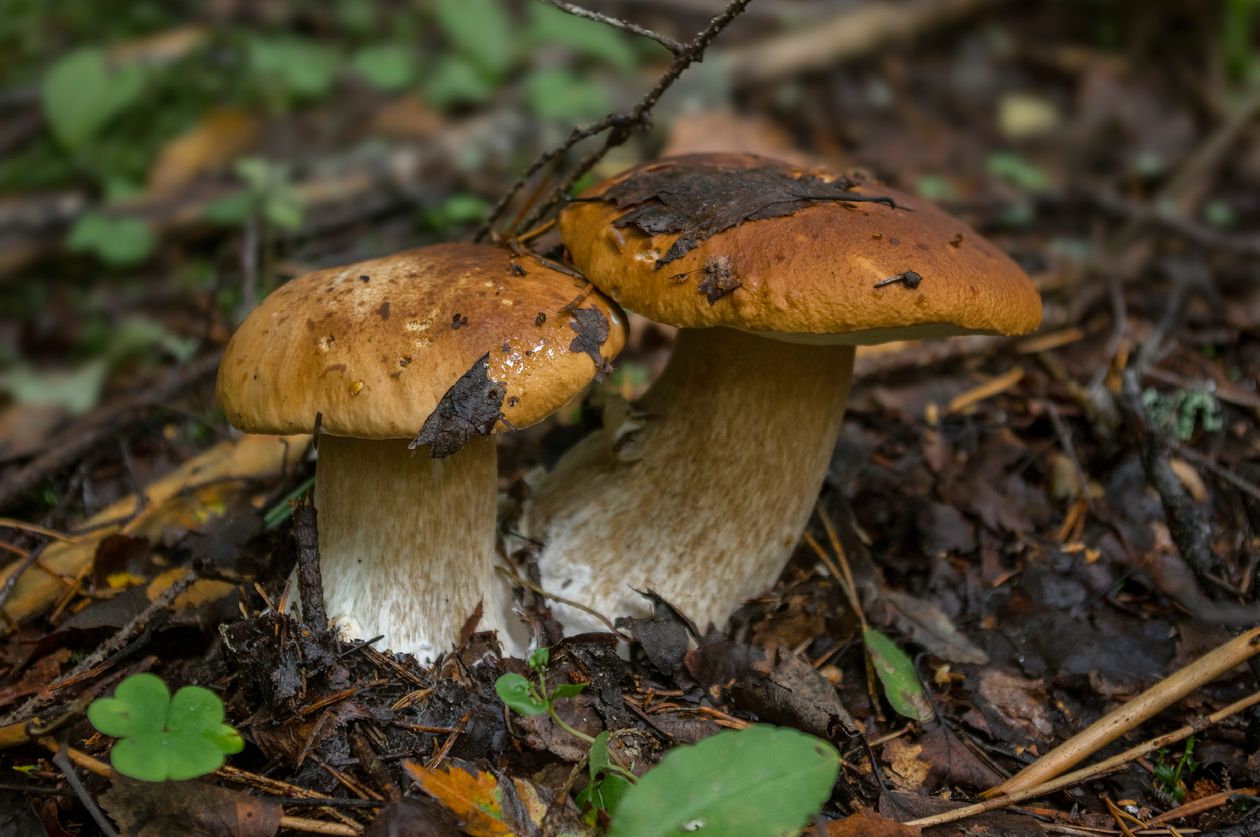
Porcini mushrooms (Boletus edulis) hold a distinct position in both culinary tradition and emerging nutritional science. Found across temperate forests in Europe, North America, and Asia, this wild mushroom has been harvested for centuries, particularly in Italian, French, and Eastern European cuisines. Beyond its culinary appeal, modern research is beginning to characterize the bioactive compounds that may contribute to its nutritional value.
A Brief Culinary History
The name “porcini” derives from the Italian word for “little pigs,” a nod to the mushroom’s prized status among foragers. In Italy, dried porcini have been a pantry staple since at least the Renaissance period, used to add depth to risottos, pasta, and braises. French cuisine refers to them as cèpes, while in Poland and Russia, they are central to traditional soups and stews.
Unlike many cultivated mushrooms, Boletus edulis has proven difficult to reliably grow commercially, as it forms obligate mycorrhizal relationships with tree roots, particularly spruce, pine, and oak. This dependency on living forest ecosystems means that porcini remain predominantly wild-harvested, which contributes to their relatively high market price and seasonal availability.
Nutritional Profile
Boletus edulis is recognized as a nutritionally dense food. It is relatively high in protein compared to many other mushrooms, and contains a range of essential amino acids, dietary fiber, B vitamins (including B2, B3, and B5), and minerals such as copper, selenium, and potassium. Its fat content is low, and the caloric density is modest, making it a consistent component of plant-forward diets.
A 2022 narrative review published in Food Chemistry summarized the nutritional composition and health-promoting properties documented across two decades of research on B. edulis. The review noted that the mushroom contains carbohydrates, proteins, minerals, and taste compounds alongside diverse bioactive compounds including polysaccharides, phenolic compounds, and phytosterols.[1] The authors concluded that B. edulis shows potential as a functional food, though further research is needed to confirm and extend these findings.
Key Bioactive Compounds
Polysaccharides and Beta-Glucans
Like other functional mushrooms, porcini contain beta-glucans, a class of polysaccharides that have drawn attention in immunology research. These complex carbohydrates interact with immune receptors and are a common subject of study in the broader functional mushroom literature. If you are new to the concept, our overview of beta-glucans and their role in functional mushrooms provides useful background.
Phenolic Compounds and Antioxidant Activity
Research has identified a variety of phenolic compounds in B. edulis extracts, including gallic acid and protocatechuic acid. These compounds display antioxidant activity in laboratory settings. A 2025 study published in Scientific Reports investigated the phenolic profile of Boletus edulis and examined its potential relevance to inflammation-related conditions, noting anti-inflammatory and antioxidant properties in cell-based models.[2] As with most such research, the findings are preliminary and were conducted in vitro rather than in human clinical trials.
Ergothioneine and Selenoneine
One of the more distinctive compounds in porcini is ergothioneine, a sulfur-containing amino acid that functions as an antioxidant. Boletus edulis is considered among the richer dietary sources of this compound. Emerging research has also identified a related selenium-containing analogue called selenoneine in porcini. A 2024 study published in the Journal of Trace Elements in Medicine and Biology found that B. edulis specimens contained selenoneine levels higher than those typically reported in commonly consumed marine fish such as tuna or mackerel, representing what the authors described as the first report of a terrestrial food source containing significant selenoneine levels.[3] The authors noted that selenoneine may have health-relevant antioxidant properties, though the study was preliminary in scope.
Porcini in Dried vs. Fresh Form
Most nutritional research on porcini uses dried mushrooms, as the drying process concentrates compounds and extends shelf life. Drying also intensifies the characteristic umami flavor profile, which comes from high levels of glutamate and other free amino acids. However, some volatile aromatic compounds are altered during drying, which changes both the sensory character and potentially the bioactive composition.
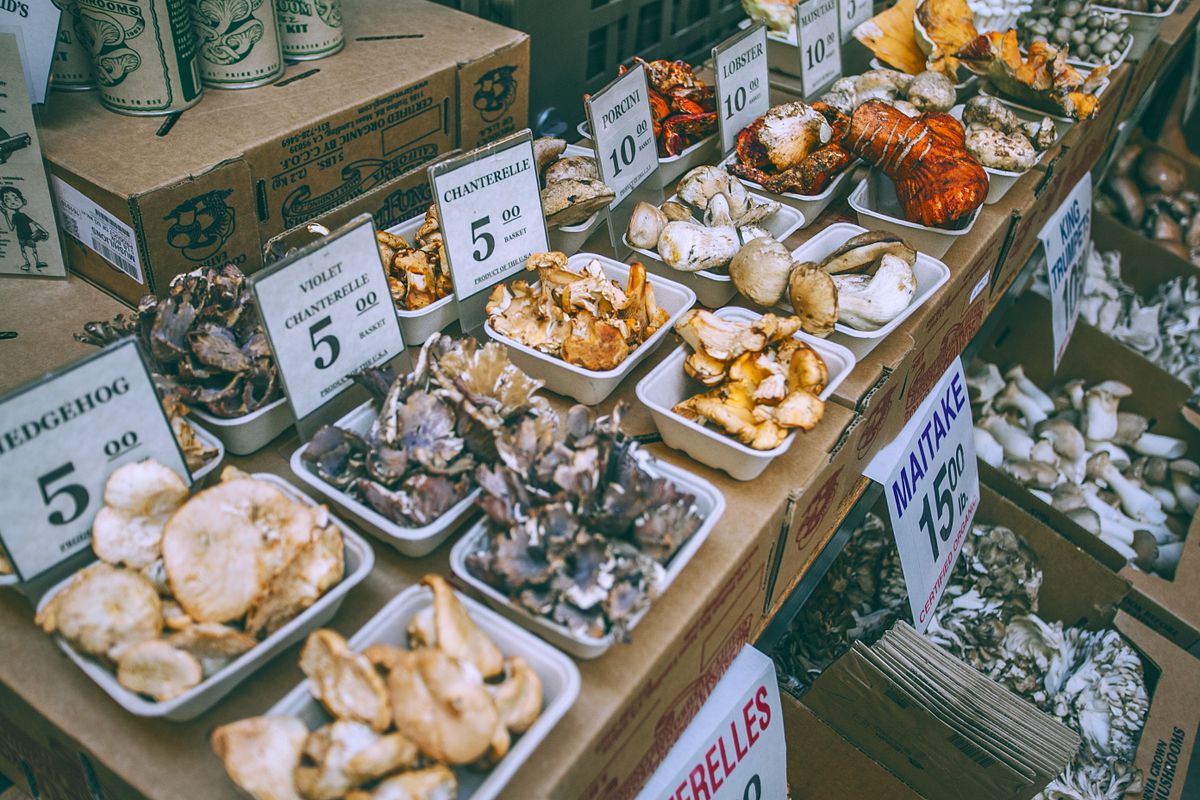
When purchasing dried porcini for culinary use, quality varies considerably. Color, aroma, and origin are useful indicators: Italian and Eastern European dried porcini are generally considered benchmark standards, though Chinese and North American specimens are increasingly available at lower price points.
Research Limitations and What to Expect
Much of the existing research on Boletus edulis has been conducted in laboratory settings, using cell cultures or animal models. Human clinical trials are limited, and there is no established clinical dosing framework for porcini as a supplement or therapeutic food. The bioavailability of compounds like ergothioneine and selenoneine from whole dried mushrooms in human diets is an active area of investigation.
Porcini is consumed primarily as food rather than as a concentrated supplement, and its safety profile in culinary quantities is well-established. For those interested in the functional mushroom category more broadly, porcini represents an interesting case study: a widely consumed traditional food that is now being examined through a modern nutritional science lens.
Culinary Integration
For those looking to incorporate porcini into their diet, dried forms are the most accessible. Reconstituting in warm water for 20 to 30 minutes before use in soups, stews, or pasta sauces is standard practice. The soaking liquid itself retains flavor compounds and can be strained and used as a base. Fresh porcini, when available seasonally, can be sauteed simply with olive oil and herbs, or thinly sliced raw into salads.
As research into wild edible mushrooms continues to develop, porcini represents a species where culinary tradition and emerging science are increasingly aligned. The nutritional complexity of this mushroom is only beginning to be fully characterized, and future studies may further clarify the extent to which its bioactive compounds contribute to health outcomes in human populations.
References
- [1] Tan Y, Zeng NK, Xu B. Chemical profiles and health-promoting effects of porcini mushroom (Boletus edulis): A narrative review. Food Chem. 2022;390:133199. PMID: 35597089
- [2] Paesa M, et al. Unveiling the therapeutic potential of phenolic compounds from Boletus edulis in osteoarthritis treatment. Sci Rep. 2025;15(1):24865. PMID: 40640296
- [3] Peer F, Kuehnelt D. High levels of the health-relevant antioxidant selenoneine identified in the edible mushroom Boletus edulis. J Trace Elem Med Biol. 2024;86:127536. PMID: 39321647
This article is for informational purposes only and does not constitute medical advice. Always consult a qualified healthcare provider before starting any supplement.