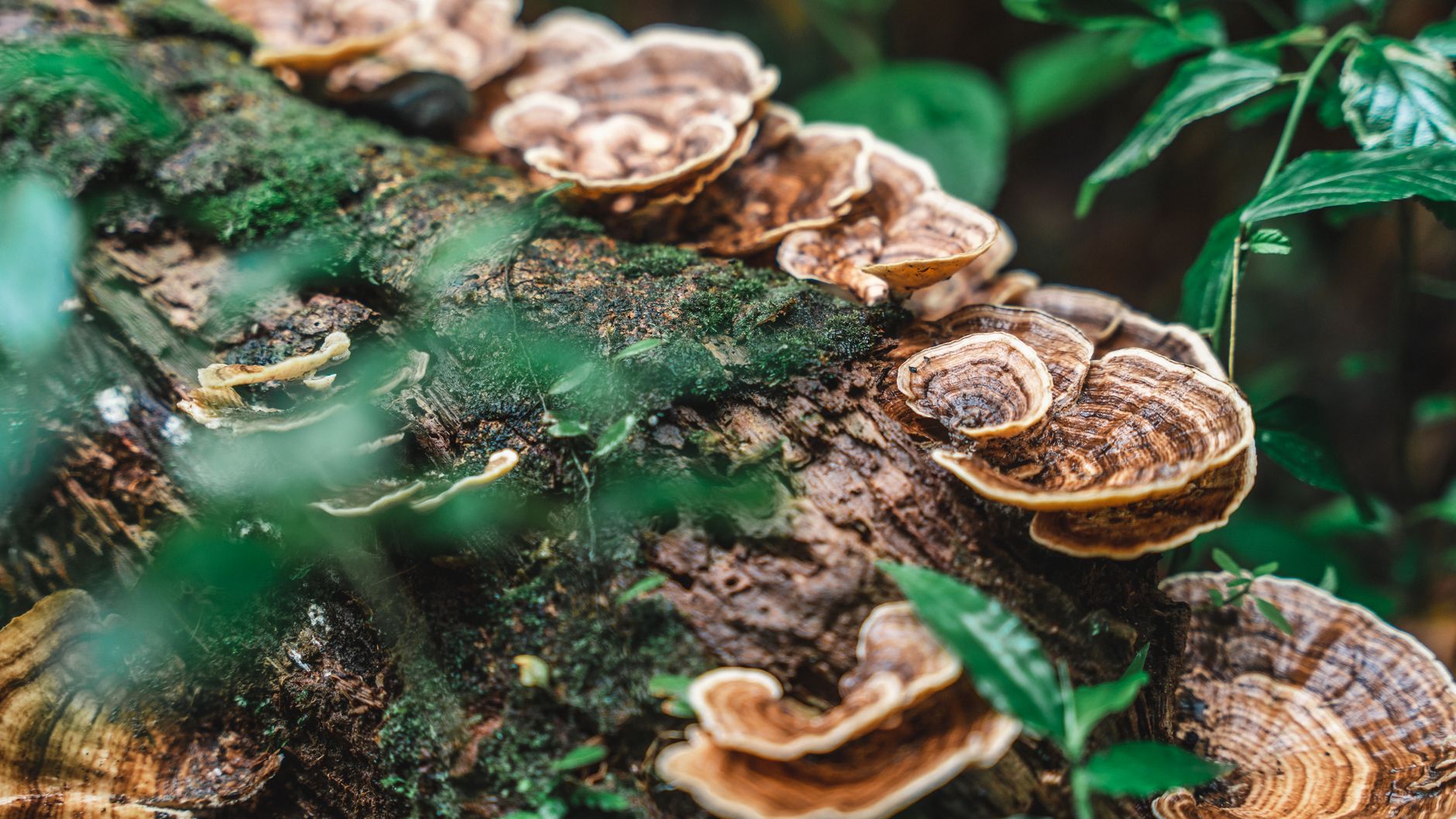

Cordyceps has been used in traditional Chinese and Tibetan medicine for centuries, prized for its ability to support vitality and organ function. In recent decades, modern researchers have zeroed in on one of the most intriguing aspects of this fungus: its apparent ability to support kidney health. While the science is still developing, several well-designed studies suggest that Cordyceps and its bioactive compounds may offer meaningful renal benefits, particularly in the context of chronic kidney disease (CKD) and acute kidney injury (AKI).
What Makes Cordyceps Relevant to Kidney Function?
The kidneys are among the body’s most metabolically active organs, filtering roughly 200 liters of blood per day and regulating fluid balance, blood pressure, and electrolyte levels. When kidney function declines, waste products accumulate and systemic health deteriorates rapidly. Anything that reduces inflammation, oxidative stress, or fibrosis in renal tissue could theoretically help preserve or restore function.
Cordyceps contains several bioactive compounds that work through these exact pathways. Cordycepin (3′-deoxyadenosine), polysaccharides, and adenosine have all demonstrated anti-inflammatory, antioxidant, and anti-fibrotic properties in laboratory and animal models. These mechanisms are directly relevant to the pathophysiology of kidney disease, where inflammation and fibrosis are primary drivers of damage.
Cordyceps is also of interest because of its established track record with other aspects of physical performance and recovery. If you’re curious how it fits into a broader health stack, our overview of Cordyceps and athletic recovery covers those mechanisms in depth.
What Animal and Cell Studies Have Found
Much of the current evidence on Cordyceps and kidney health comes from preclinical research, though the findings are consistent enough to warrant attention.
Acute Kidney Injury
A 2024 study published in Aging (Albany NY) examined the effects of Cordyceps sinensis extract on acute kidney injury in a mouse model. The researchers found that the extract protected renal tissue by inhibiting perforin expression in natural killer (NK) cells via the STING/IRF3 signaling pathway, reducing immune-mediated kidney damage significantly compared to controls.[1] This line of research suggests that Cordyceps may help modulate the immune response in ways that limit collateral damage to renal tissue during acute stress.
Diabetic Nephropathy
Diabetic nephropathy is one of the leading causes of CKD globally, driven by high glucose levels that trigger inflammation, oxidative stress, and pathological changes in glomerular cells. A 2025 study in Molecular Immunology investigated cordycepin’s effects on high glucose-induced damage in glomerular mesangial cells. The compound was found to reduce proliferation, suppress inflammatory signaling, and inhibit extracellular matrix deposition, three key processes that accelerate kidney scarring and functional decline in diabetes.[2]
Renal Lipid Accumulation
Lipid accumulation in kidney tissue is an emerging mechanism of CKD progression. A 2022 study published in Frontiers in Pharmacology found that Bailing capsule, a standardized Cordyceps sinensis preparation, ameliorated renal triglyceride accumulation in diabetic rats through activation of the PPARα pathway, a nuclear receptor that regulates fatty acid oxidation in the kidney.[3] The researchers noted meaningful improvements in renal lipid profiles and associated markers of kidney stress.
Renal Aging: An Emerging Research Direction
Beyond disease-specific mechanisms, researchers are beginning to examine whether Cordyceps may slow age-related kidney decline. A 2026 study published in Journal of Visualized Experiments explored how Cordyceps polysaccharides affected D-galactose-induced renal senescence in an animal model. The findings suggested that polysaccharide fractions could attenuate cellular aging markers in kidney tissue, though the authors noted this line of inquiry is still early stage.[4]
This area of research is particularly interesting given the global rise of age-related kidney decline and the limited pharmacological tools currently available to slow it.
Traditional Use and Observational Data
In traditional Chinese medicine, Cordyceps has long been associated with kidney and lung “tonification” and was prescribed for conditions we would today recognize as CKD-adjacent: fatigue, reduced urine output, and general systemic weakness. While traditional use doesn’t constitute clinical evidence, it provides context for why modern researchers began investigating renal applications in the first place.
Several Chinese clinical centers have also reported observational data on Cordyceps-based formulations (particularly Bailing capsule, a Cordyceps sinensis mycelium product) used as adjunct therapy in CKD patients. These observations generally show improved kidney function markers and reduced proteinuria, though prospective randomized controlled trials in Western populations remain limited.
What the Research Doesn’t Yet Show
It’s important to be clear about the limits of current evidence:
- Most studies are animal or cell-based; large-scale human RCTs are lacking.
- Dosing protocols vary widely across studies, making it difficult to extrapolate a standard approach.
- Species and preparation matter: Cordyceps sinensis (wild-harvested) and Cordyceps militaris (cultivated) differ in their bioactive profiles, and most research uses standardized extracts rather than raw powder.
- People with existing kidney disease should exercise particular caution with any supplement, as impaired kidneys process compounds differently.
A 2024 bibliometric analysis of natural medicines and CKD research noted that Cordyceps was among the most-studied herbal candidates, but emphasized that translation from preclinical to clinical evidence remains a critical gap across the field.[5]
Who Might Be Most Interested in This Research
While Cordyceps isn’t a kidney treatment and shouldn’t be framed as one, the research is relevant to several groups:
- People with early-stage CKD who are interested in evidence-based complementary approaches (with physician approval)
- Those with type 2 diabetes who are looking to support kidney health proactively
- Older adults interested in general kidney aging research
- Athletes who regularly take NSAIDs and are looking for complementary renal support
The Bottom Line
The evidence linking Cordyceps to kidney health is promising but preliminary. Preclinical studies consistently show renal-protective effects through anti-inflammatory, anti-fibrotic, and antioxidant mechanisms. Human trials remain limited, but the biological rationale is sound and the traditional evidence adds historical depth. As always, if you have kidney disease or any chronic health condition, speak with your doctor before adding any supplement to your regimen.
References
- [1] Li S, Pang W, Wang Y, et al. Cordyceps sinensis extract protects against acute kidney injury by inhibiting perforin expression in NK cells via the STING/IRF3 pathway. Aging (Albany NY). 2024. PMID: 38517396
- [2] Han W, Chen S, Ma B, et al. Cordycepin ameliorates high glucose-induced proliferation, inflammation, and extracellular matrix deposition in glomerular mesangial cells. Mol Immunol. 2025. PMID: 40373638
- [3] Zhang Q, Xiao X, Li M, et al. Bailing capsule (Cordyceps sinensis) ameliorates renal triglyceride accumulation through the PPARα pathway in diabetic rats. Front Pharmacol. 2022. PMID: 36091833
- [4] Wen K, Li C, Yin X, et al. Effects of Cordyceps Polysaccharides on D-Galactose-induced Renal Senescence. J Vis Exp. 2026. PMID: 42008479
- [5] Bibliometric analysis of natural medicines against chronic kidney disease from 2001 to 2024. 2025. PMID: 39892309
This article is for informational purposes only and does not constitute medical advice. Always consult a qualified healthcare provider before starting any supplement.