
If you’ve ever struggled to wind down at night, you know how frustrating it can be to lie awake with your thoughts racing. Many people are turning to natural remedies, and one that keeps coming up in functional wellness circles is reishi mushroom (Ganoderma lucidum). Revered in traditional Chinese medicine for over two millennia, reishi has accumulated a growing body of modern research. But can it actually help you sleep better? Here’s what the science currently shows.
What Is Reishi and Why Is It Associated with Sleep?
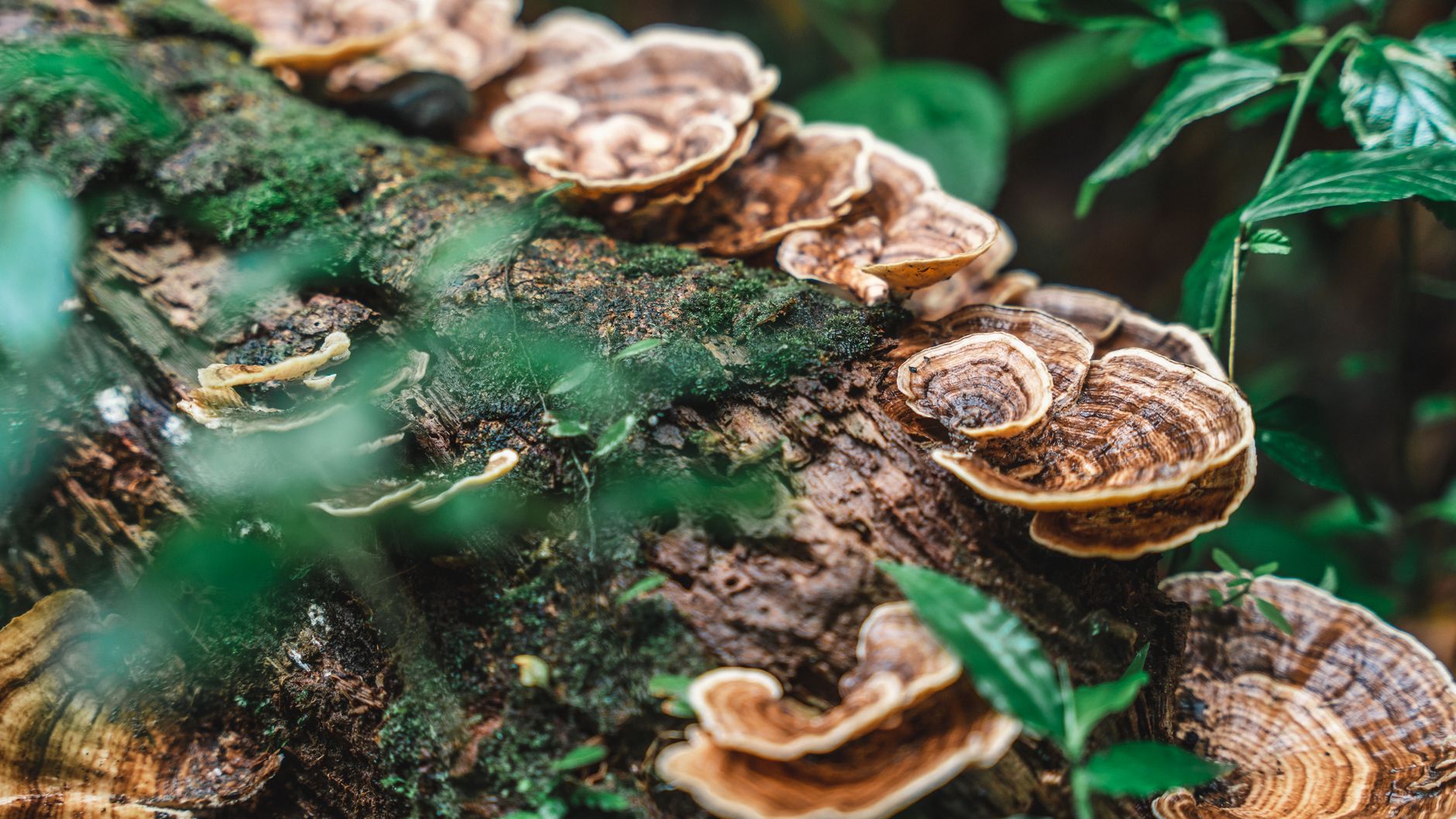
Reishi is a woody, shelf-like fungus found on decaying logs in humid forest environments across Asia, Europe, and North America. It has long been called the “mushroom of immortality” in Chinese herbalism, where it was used to promote calmness, longevity, and overall vitality. Its connection to sleep stems from a class of bioactive compounds called triterpenes: specifically, lucidone and ganoderic acids that appear to modulate the central nervous system.
Modern researchers have begun investigating these compounds more rigorously. A key question driving the research: does reishi have pharmacologically meaningful sedative or sleep-promoting properties, or is the traditional reputation mostly anecdotal?
The Science: What Studies Have Found
Sedative-Hypnotic Activity from Reishi Compounds
One of the most compelling lines of evidence comes from research into specific reishi compounds. A study published in Cell Mol Biol examined lucidone D, a triterpenoid extracted from Ganoderma lucidum, and documented anti-inflammatory, anti-nociceptive, and sedative-hypnotic activities in animal models.[1] The sedative-hypnotic effects were measurable using standard pharmacological assays, suggesting a real neurological mechanism rather than a placebo response.
This is important context: the sleep benefits attributed to reishi are not just about general relaxation. There appear to be specific compounds within the mushroom that interact with neurochemical pathways related to sleep regulation.
The Gut-Brain Axis: An Unexpected Pathway
Perhaps the most intriguing recent finding involves the gut microbiome. A 2021 study published in Scientific Reports found that Ganoderma lucidum promotes sleep through a gut microbiota-dependent pathway involving serotonin production.[2] In the study’s model, reishi polysaccharides altered the composition of gut bacteria in ways that increased serotonin availability, which in turn influenced sleep duration and quality.
This gut-brain connection is a significant finding. Serotonin is a precursor to melatonin, the hormone most directly associated with sleep onset. If reishi supports serotonin synthesis through the gut microbiome, it may be promoting sleep through a more upstream mechanism than previously understood. The study also noted that the effects were partially blocked when gut bacteria were disrupted, which adds strong evidence that the microbiome is the key mediator here.
How Reishi’s Other Benefits May Support Sleep Indirectly
Beyond the direct mechanisms, reishi’s broader adaptogenic properties may contribute to better sleep in indirect ways. High cortisol levels are one of the most common drivers of poor sleep: stress and anxiety keep the body in a state of arousal that makes it difficult to transition into the deeper stages of sleep.
Research has shown that reishi can help modulate the body’s stress response, which is part of why it’s classified as an adaptogen. If you are interested in how reishi affects cortisol and the body’s stress systems more broadly, see our deep dive: Reishi and Cortisol: Can a Mushroom Actually Reduce Stress?
By lowering physiological stress markers, reishi may create conditions more conducive to restful sleep, even before you account for its direct sedative-like properties. This dual-action profile: direct neurological effects plus indirect stress reduction: makes it a more compelling candidate for sleep support than single-mechanism compounds.
Important Caveats and What the Research Still Can’t Tell Us
It’s important to be honest about the limits of current evidence. Much of the mechanistic research on reishi and sleep has been conducted in animal models. Human clinical trials specifically designed to evaluate reishi as a sleep aid are limited in number and scope. Most existing human studies on reishi have focused on immune support, fatigue, or quality of life in cancer patients, where improved sleep was a secondary outcome rather than a primary focus.
This doesn’t mean the research is irrelevant: animal models showing sedative-hypnotic activity with identified compounds are meaningful. But it does mean we cannot make strong claims about specific sleep outcomes in humans based on current data alone. What the research supports is a plausible and biologically coherent mechanism for sleep benefits, not a guaranteed clinical outcome.
Additionally, quality matters enormously with reishi supplements. Products vary widely in their concentration of active triterpenes and polysaccharides. A supplement with minimal active compounds may produce no measurable effect at all.
Who Might Benefit Most from Reishi for Sleep?
Based on the available evidence, reishi for sleep seems most promising for people whose sleep problems are tied to stress, elevated cortisol, or general nervous system dysregulation. If your sleep issues stem from anxiety, overtraining, or chronic low-grade stress, reishi’s adaptogenic and mildly sedative properties may be meaningfully helpful.
It’s less likely to function as a powerful sedative in the way that pharmaceutical sleep aids work. Think of it more as a systemic regulator that nudges your body toward balance rather than a compound that forces sleep onset.
The Bottom Line
The science behind reishi and sleep is real, if still developing. Specific compounds in reishi mushroom have demonstrated sedative-hypnotic activity in preclinical research, and a gut microbiota-dependent serotonin pathway offers a credible mechanism for broader sleep promotion. The traditional use of reishi as a calming, restorative herb is beginning to find biological grounding in modern research.
For anyone exploring natural approaches to better sleep, reishi represents one of the more scientifically coherent options available. As always, the quality of the product matters: look for supplements that specify their beta-glucan and triterpene content and are tested by a third party.
References
- [1] Feng X, et al. Anti-inflammatory, anti-nociceptive and sedative-hypnotic activities of lucidone D extracted from Ganoderma lucidum. PubMed 31078150
- [2] Yao C, et al. Ganoderma lucidum promotes sleep through a gut microbiota-dependent and serotonin-involved pathway in mice. PubMed 34211003
This article is for informational purposes only and does not constitute medical advice. Always consult a qualified healthcare provider before starting any supplement.