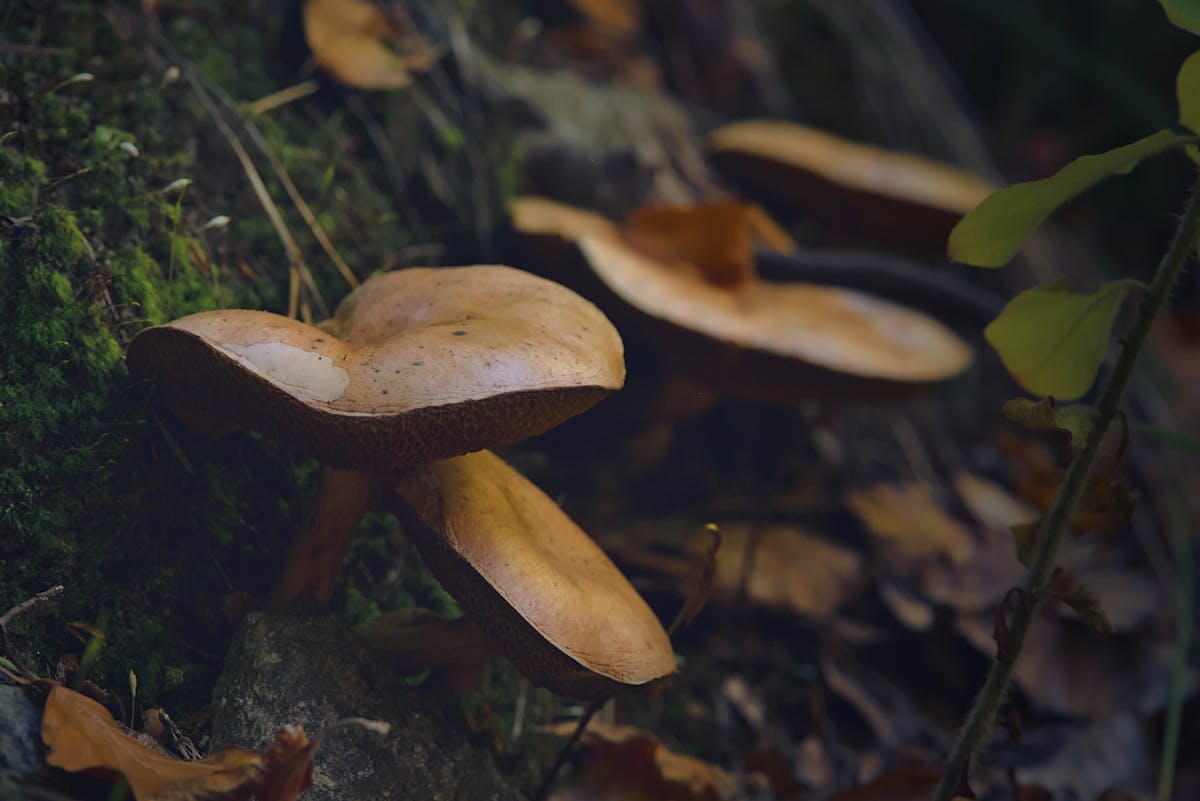
Walk into any supplement store and you will find mushroom products making bold claims: “wild-harvested,” “forest-grown,” “100% organic cultivated.” The marketing language is everywhere. But when you are choosing between a wild-sourced mushroom supplement and a cultivated one, does the origin actually change what you are getting? The short answer is: sometimes yes, and sometimes the difference is smaller than you might expect.
What “Wild” and “Cultivated” Actually Mean
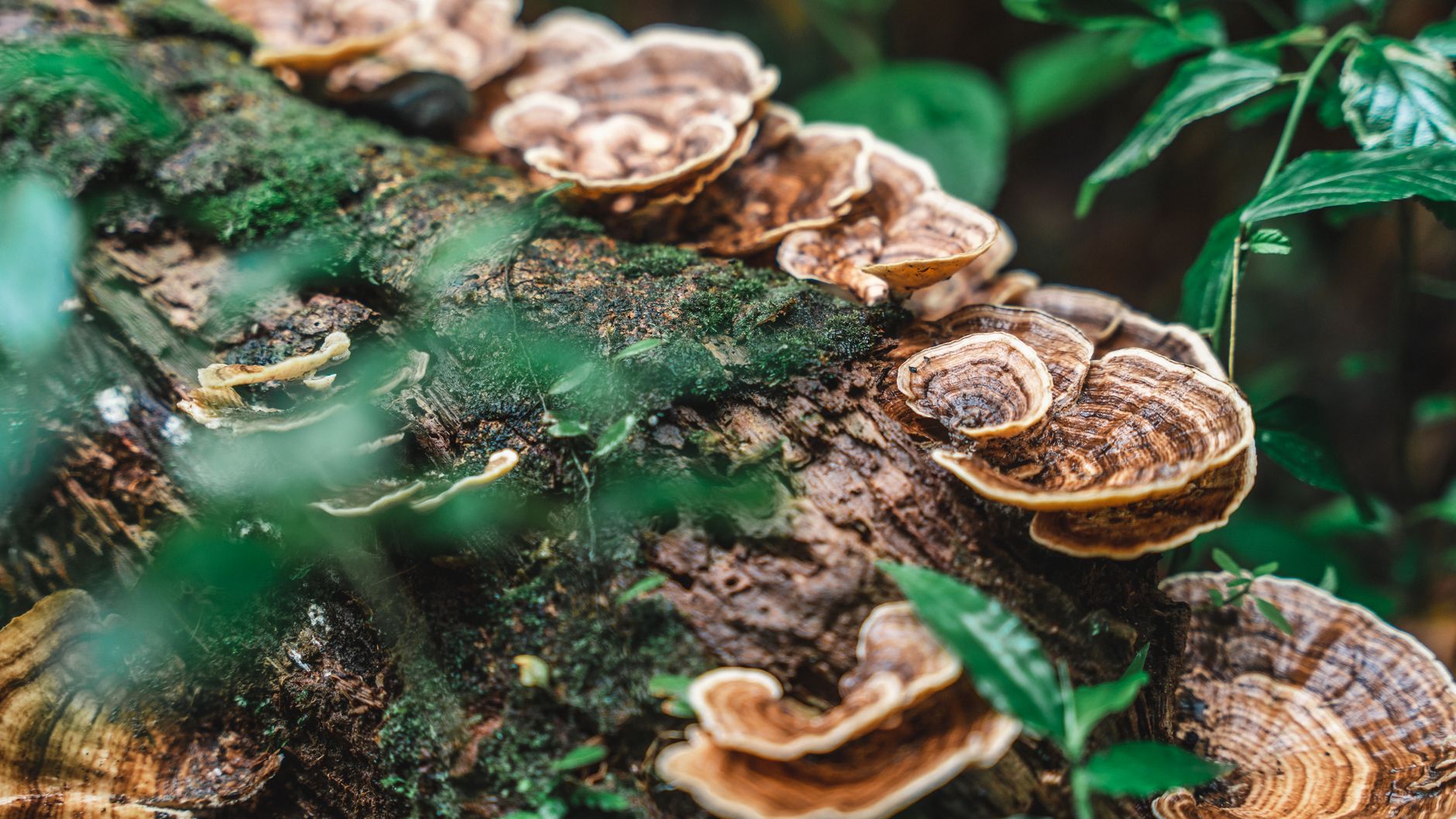
Wild mushrooms are harvested from their natural forest or field habitats with no human cultivation involved. They grow on decaying wood, soil, or plant matter on their own schedule, influenced by temperature, rainfall, and seasonal cycles. Cultivated mushrooms, by contrast, are grown in controlled environments on substrates like sawdust, grain, straw, or wood chips. Modern cultivation can take place indoors on racks, outdoors on logs, or in large industrial growing facilities.
There is also a third category worth knowing: myceliated grain, in which mushroom mycelium (the root-like network) is grown on oats, rice, or other grains and then ground up entirely. This is distinct from fruiting body extracts derived from either wild or cultivated mushrooms, and the distinction matters greatly for potency.
The Bioactive Compounds at Stake
The core question for any mushroom supplement is: how much of the beneficial compounds does the product actually deliver? The primary bioactives in functional mushrooms include beta-glucans (immune-modulating polysaccharides), ergothioneine (a potent antioxidant), and various triterpenes and phenolic compounds depending on species.
A 2024 comparative analysis published in Food Chemistry examined aqueous and glucan-rich extracts from three widely consumed mushroom species, finding significant variation in bioactive content depending on extraction method and source conditions.[1] This type of variability exists both between wild and cultivated specimens and within each category itself.
A 2020 scoping review on Agaricus bisporus (the common button mushroom) documented meaningful variation in bioactive compound concentrations across different growing conditions, noting that substrate composition, light exposure, and harvest timing all influence the final nutritional and functional profile of the mushroom.[2]
Does Wild Mean More Potent?
The intuition that wild mushrooms are more potent is understandable. Wild specimens face real environmental stressors: competing organisms, variable nutrition, temperature swings, and UV exposure. In response, they produce compounds like beta-glucans and ergothioneine partly as defense mechanisms. Under greater environmental stress, some species do produce higher concentrations of certain bioactives.
However, this does not translate into a blanket advantage. Here is why:
- Inconsistency: Wild mushrooms vary enormously by geography, season, and habitat. A chaga fungus harvested from birch trees in Siberia in November may have very different compound levels than one harvested from a Minnesota birch in August.
- Contamination risk: Wild specimens can accumulate heavy metals, pesticides, or industrial pollutants from their environment. Without rigorous testing, this is a real consumer safety issue.
- Identification challenges: Misidentification of wild mushrooms, while more of a concern for foragers than supplement manufacturers, can introduce the wrong species or varieties into products.
The Case for Cultivated Mushrooms
Well-managed cultivation, particularly on hardwood logs or sawdust substrates that mimic natural conditions, can produce mushrooms with excellent and consistent bioactive profiles. In fact, controlled cultivation offers several meaningful advantages:
- Standardization: A producer who cultivates mushrooms in controlled conditions can verify batch-to-batch consistency in beta-glucan content, something nearly impossible to guarantee with wild-harvested material.
- Cleanliness: Indoor-grown mushrooms avoid exposure to environmental contaminants and are easier to test comprehensively before processing.
- Sustainability: Responsible cultivation has a far lower ecological footprint than wild harvesting at scale, especially for slower-growing species like chaga, which can take years to mature.
Research on immune-modulating properties of mushroom polysaccharides has confirmed that cultivated species can deliver robust immunological effects. A 2021 review on mushrooms and immunity highlighted that the bioactivity of beta-glucans depends not just on species or origin, but critically on the degree of extraction and processing applied downstream.[3]
What Substrate Matters Most
For cultivated mushrooms, the substrate (what the mushroom grows on) is arguably more important than wild versus cultivated status. Hardwood-based substrates like oak or beech sawdust more closely replicate the natural growing environment of species like lion’s mane, shiitake, and reishi. Grain-based substrates, while cheaper and faster, can dilute the final product with starch and reduce the relative concentration of fungal bioactives.
This is one reason why the label distinction between “fruiting body” and “myceliated grain” matters so much when you are evaluating a supplement. The fruiting body, whether wild or cultivated, is where most of the studied compounds concentrate. For a deeper dive into evaluating supplement labels, see our guide on Reading a Mushroom Supplement COA.
Practical Guidance for Buyers
When choosing a mushroom supplement, here is what to look for regardless of wild versus cultivated origin:
- Beta-glucan percentage: A quality supplement should list verified beta-glucan content, ideally 20% or higher for concentrated extracts.
- Third-party COA: A certificate of analysis from an independent lab confirms what is actually in the product.
- Species and part: Confirm you are getting fruiting body extract, not just mycelium-on-grain.
- Heavy metal testing: Especially important for wild-sourced or chaga products.
The “wild” label is not inherently better. A well-cultivated, properly extracted, third-party-tested supplement from a transparent company will outperform a loosely processed wild product with no documentation.
References
- [1] Comparative Chemical Analysis and Bioactive Properties of Aqueous and Glucan-Rich Extracts of Three Widely Appreciated Mushrooms. Food Chemistry, 2024. PMID: 39338316
- [2] Examining the health effects and bioactive components in Agaricus bisporus mushrooms: a scoping review. Food Chemistry: X, 2020. PMID: 32653808
- [3] Mushrooms and immunity. Journal of Ethnopharmacology, 2021. PMID: 33276307
This article is for informational purposes only and does not constitute medical advice. Always consult a qualified healthcare provider before starting any supplement.