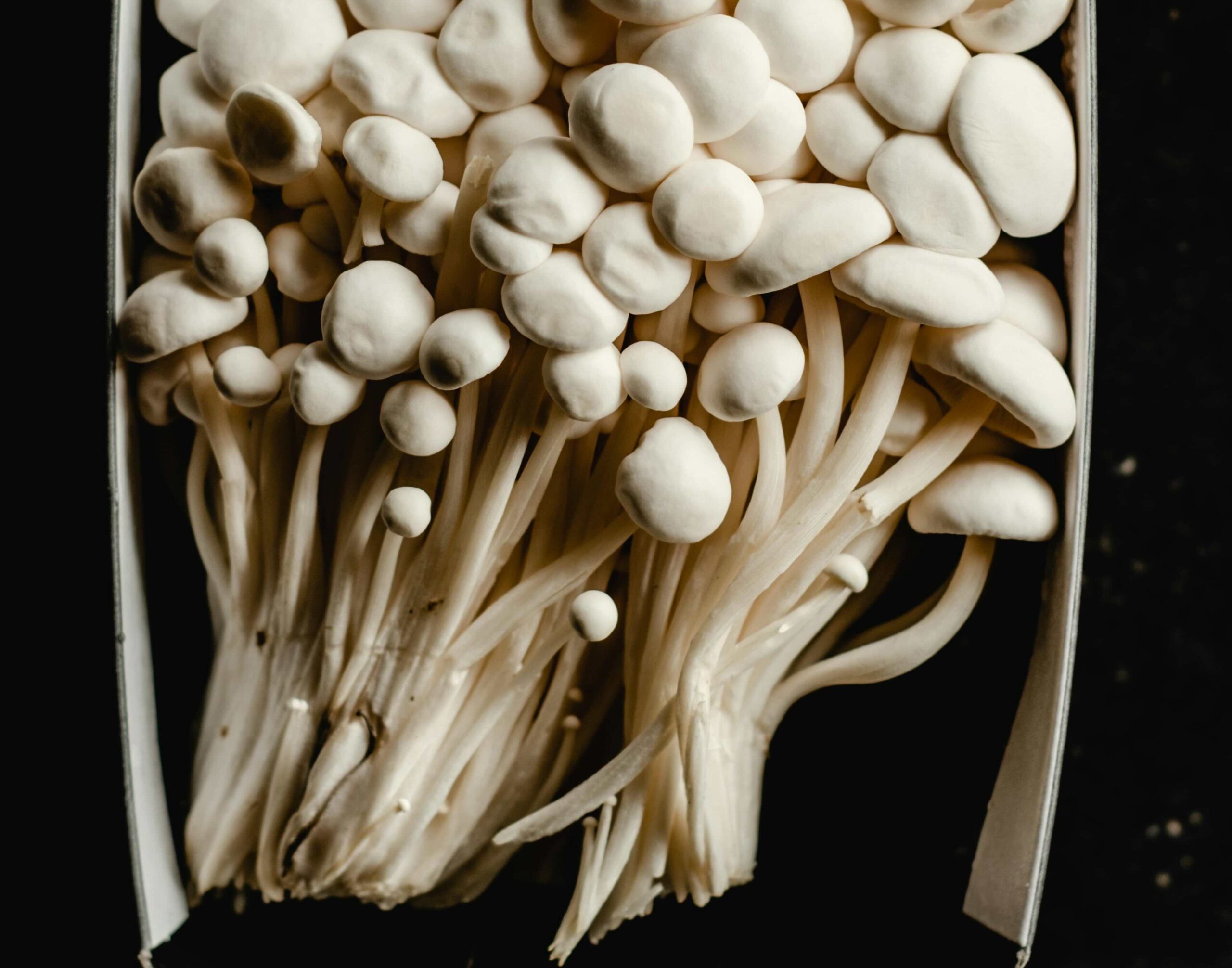
Before there’s a mushroom, there’s mycelium. It’s the part most people never see — a vast, thread-like network of cells that spreads through soil, wood, and organic matter, quietly doing the work that makes the fruiting body (the mushroom you recognize) possible.
Understanding mycelium matters if you’re buying mushroom supplements, because the distinction between mycelium and fruiting body is one of the most important — and most misrepresented — issues in the industry.
What Mycelium Actually Is
Mycelium is the vegetative part of a fungus — a network of fine, white filaments called hyphae. Think of it as the root system of the mushroom world, except it’s more like a web than roots. It spreads in all directions, breaking down organic material, exchanging nutrients, and in many species, connecting with plant root systems in mutually beneficial relationships (mycorrhizae).
Mycologist Paul Stamets, one of the world’s foremost experts on fungi, has described mycelium as “nature’s internet” — a communication and nutrient-transfer network that underlies entire ecosystems. Some mycelial networks span hundreds of acres and are among the largest living organisms on earth.
Mycelium vs Fruiting Body: Why It Matters for Supplements
Here’s where it gets important for consumers. When a fungus produces a mushroom, that mushroom is called the fruiting body — the reproductive structure that contains the highest concentrations of beneficial compounds: beta-glucans, triterpenes, hericenones, and other actives.
Many supplement manufacturers, however, use myceliated grain — mycelium grown on rice or oats — instead of actual fruiting bodies. The problem: myceliated grain products often contain significant amounts of starch (alpha-glucans) from the grain substrate, diluting the active compounds. Studies have found that some myceliated grain products contain as little as 5% beta-glucans compared to 30%+ in quality fruiting body extracts.
What to Look for on Labels
When evaluating a mushroom supplement, look for:
- “Fruiting body” listed as the ingredient source
- A stated beta-glucan percentage (ideally 20%+)
- Low or no alpha-glucans (starch — a sign of myceliated grain)
- Dual extraction or hot water extraction mentioned
If a label says “mycelium” without specifying fruiting body, or lists “full spectrum” without beta-glucan content, dig deeper before buying.
The Bigger Picture
The mycelium vs fruiting body debate doesn’t mean mycelium has no value — some beneficial compounds are found in mycelium that aren’t present in the fruiting body, and research is ongoing. But for most of the well-studied compounds associated with immune support, cognitive function, and stress response, fruiting body extracts remain the gold standard.
Knowing this one distinction will save you money and help you choose supplements that actually work.