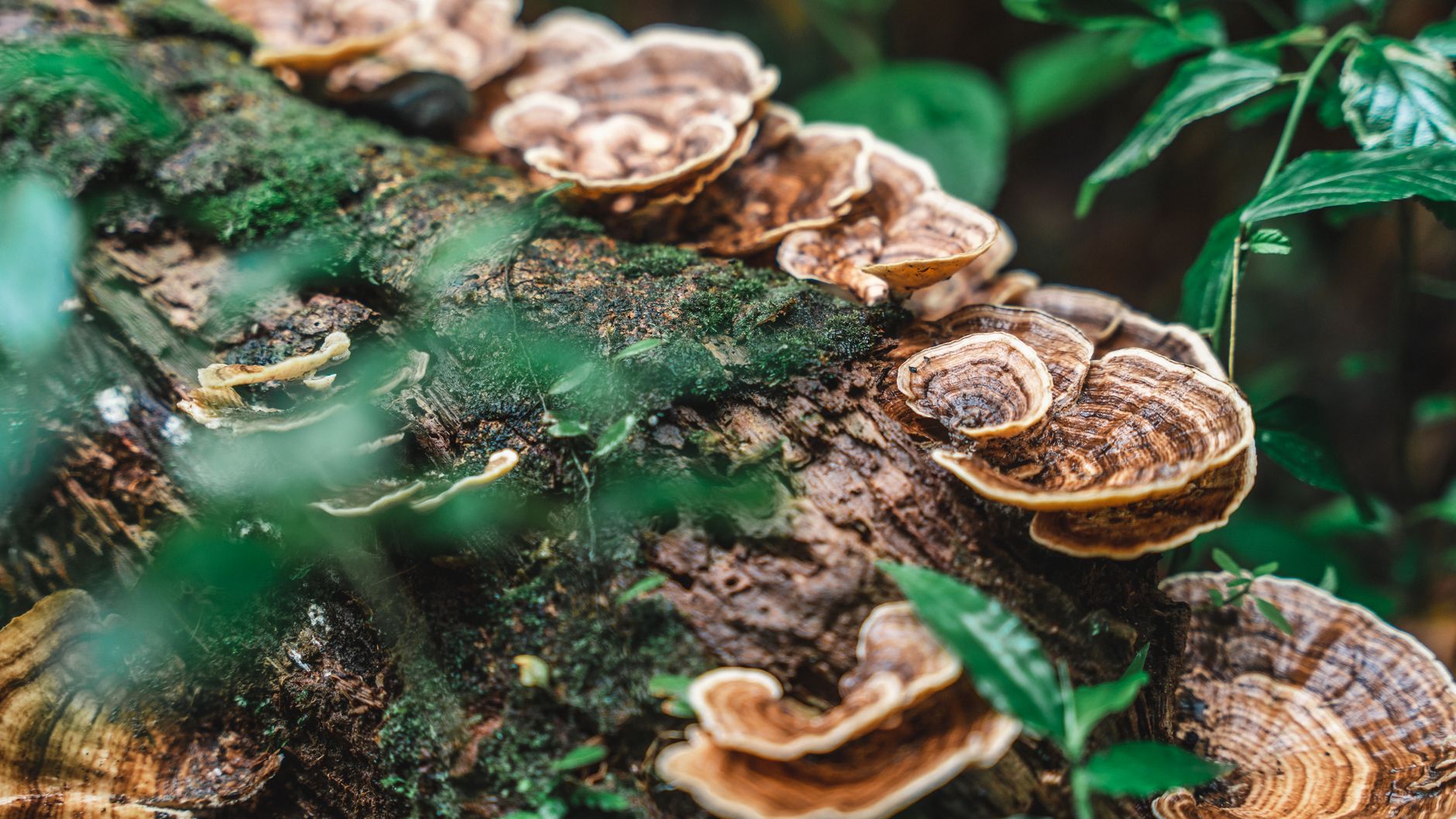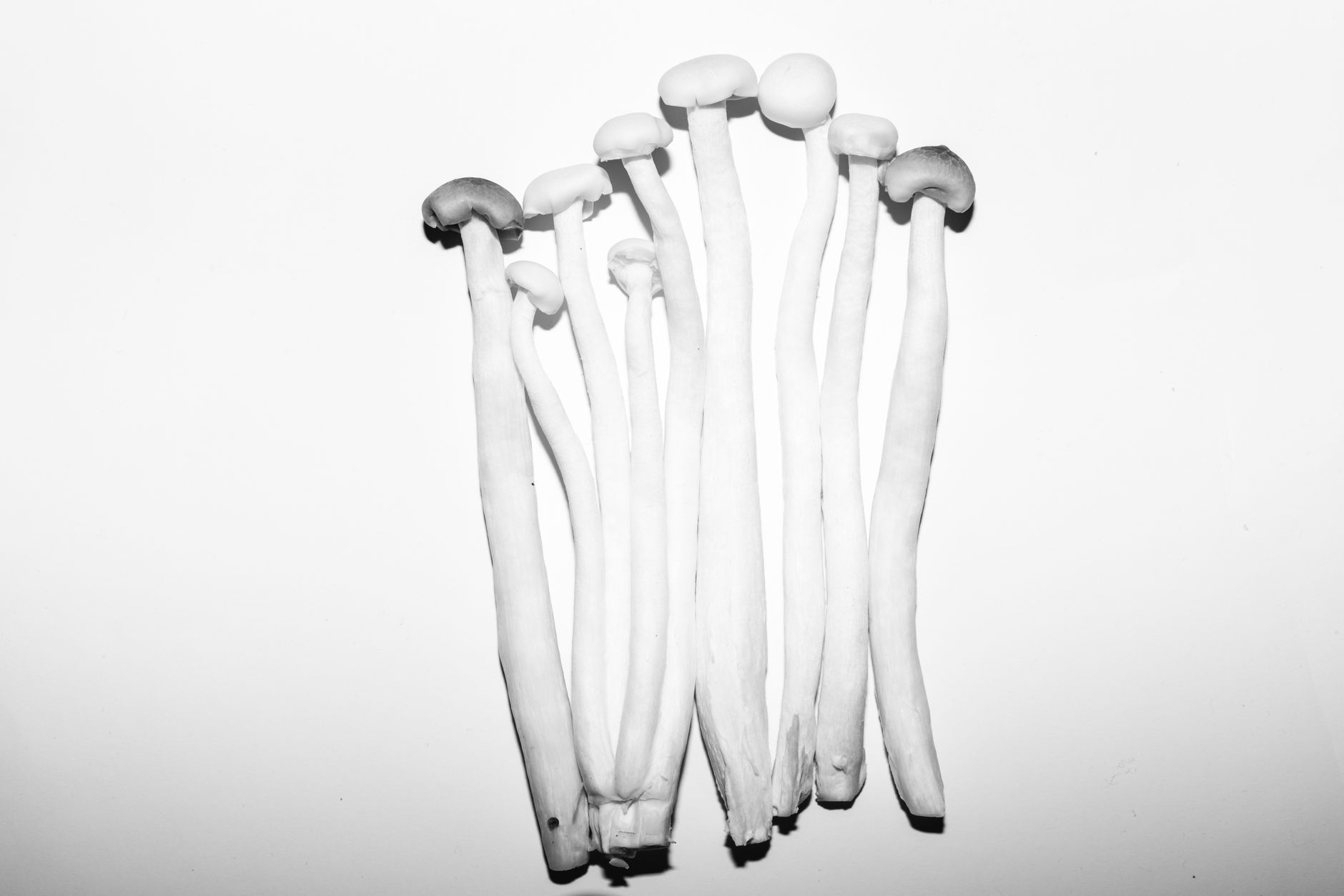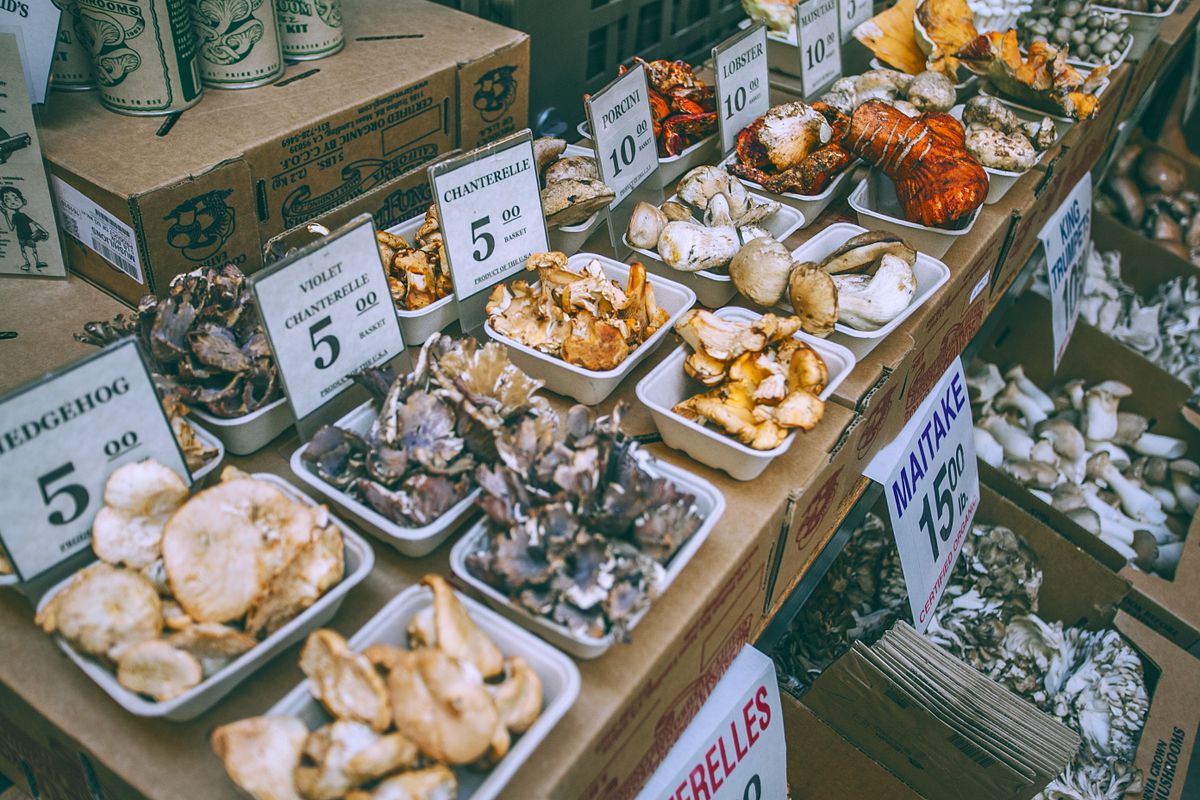
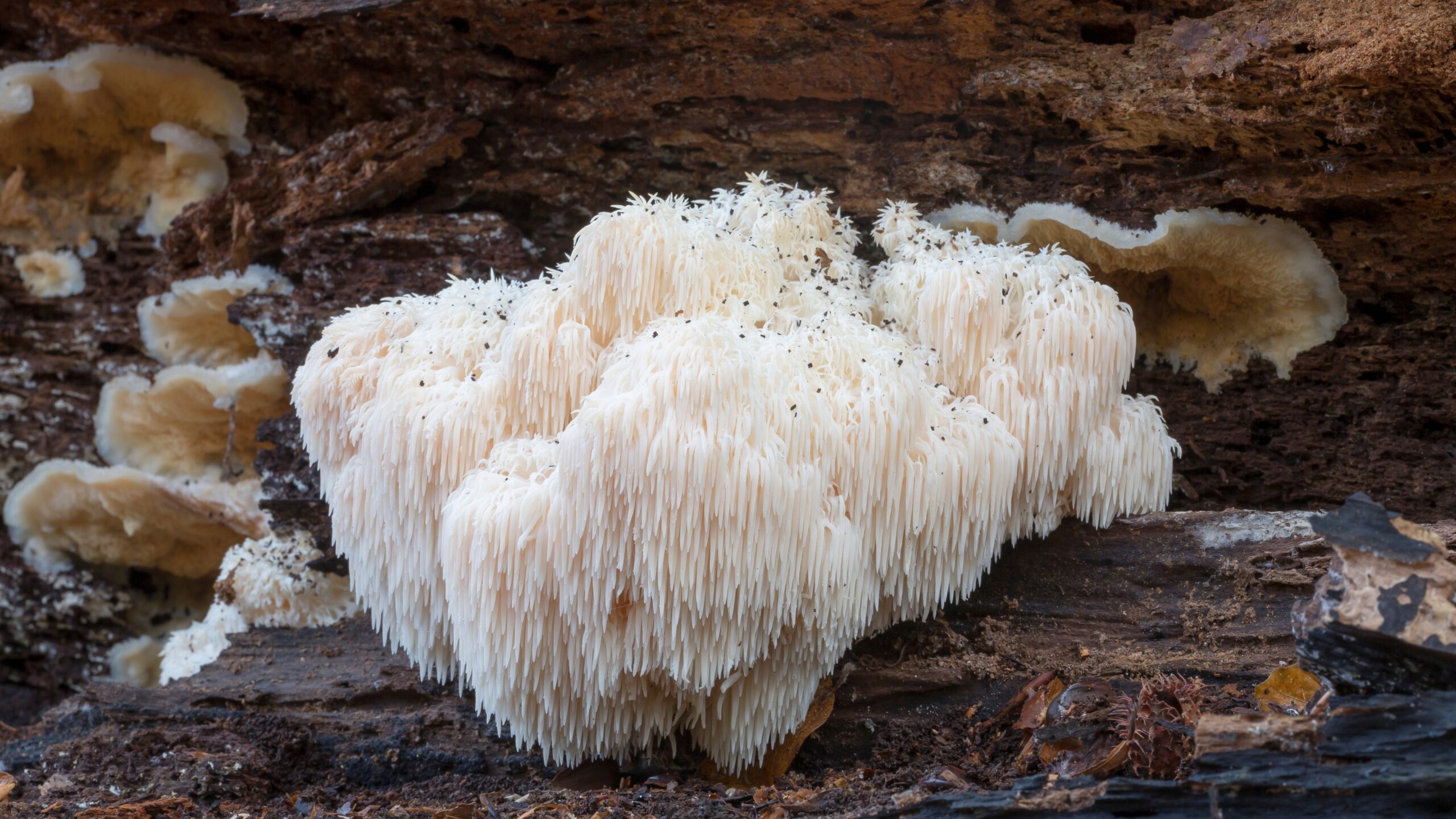
For thousands of years, cultures across the world have turned to traditional medicine mushrooms like Reishi, Chaga, Cordyceps, Lion’s Mane, and Turkey Tail as trusted tools in healing. These fungi weren’t used as trends or supplements—they were deeply respected components of traditional medicine systems in China, Japan, Siberia, and beyond.
Each mushroom served a unique role: Reishi calmed the spirit and supported longevity, Cordyceps fueled stamina and vitality, and Chaga was used as a powerful antioxidant tonic during long winters. Others, like Turkey Tail and Lion’s Mane, helped strengthen the immune system and support digestion or mental clarity.
In this post, we’ll walk through the roots of functional mushrooms in traditional healing practices—and why that wisdom still matters today.
A Global History of Medicinal Mushrooms
Functional mushrooms appear across healing traditions worldwide, especially in systems like:
- Traditional Chinese Medicine (TCM) – Mushrooms like Reishi (Lingzhi), Cordyceps, and Turkey Tail have been used for immune support, energy, and longevity for over 2,000 years.
- Ayurvedic Medicine – While mushrooms are less emphasized in Ayurveda, modern Ayurvedic practitioners often include fungi like Cordyceps for vitality and energy.
- Siberian and Northern European Traditions – Chaga was brewed as a tea to treat ulcers, skin conditions, and inflammation.
- Indigenous North American Healing – Native tribes used puffballs and shelf mushrooms topically and internally to stop bleeding and reduce infection.
These traditions didn’t view mushrooms as supplements—they saw them as tonics, integrated into the rhythms of daily life and seasonal health.
Traditional Uses of Popular Functional Mushrooms
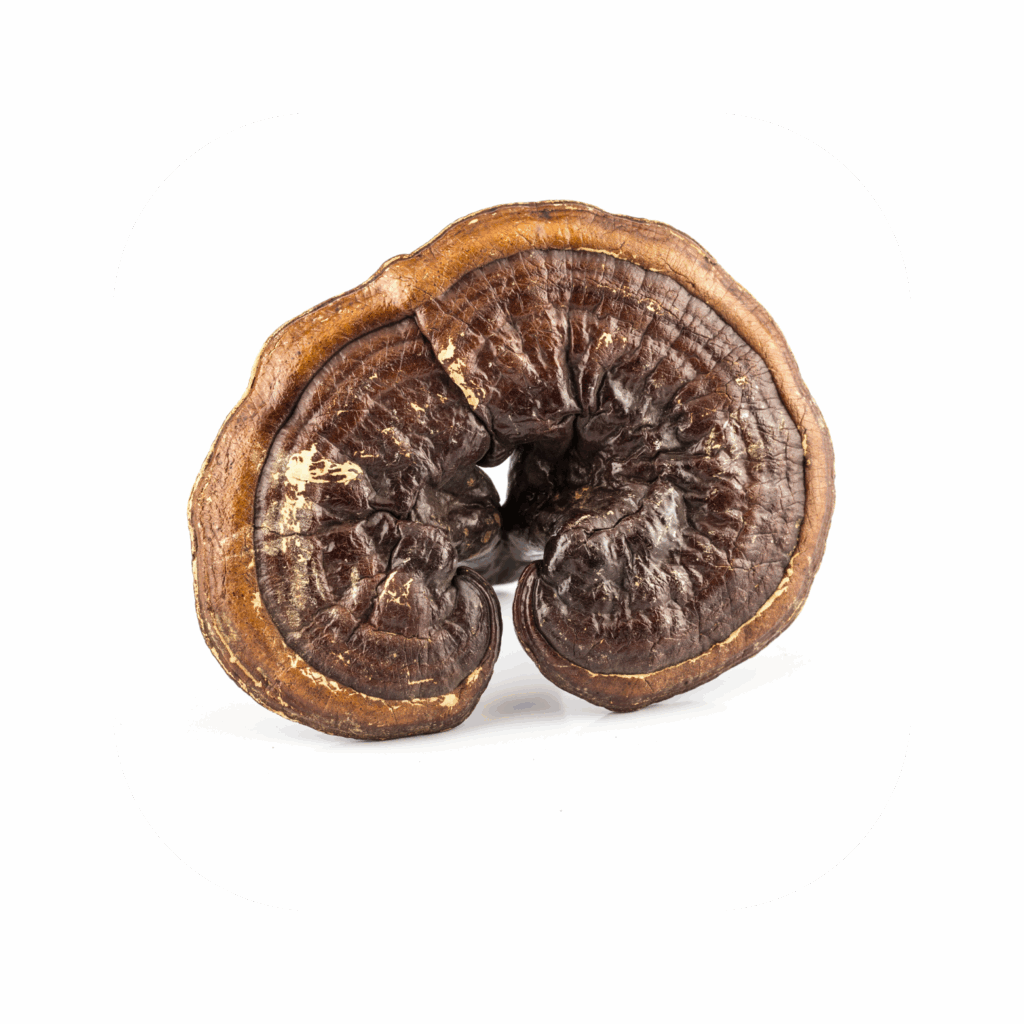
Reishi
Traditional Chinese Medicine (TCM) practitioners often used Reishi to support longevity, calm the mind, and strengthen the spirit. They believed it nourished the heart and helped balance energy (Qi). Reishi was so revered that it was often reserved for royalty.
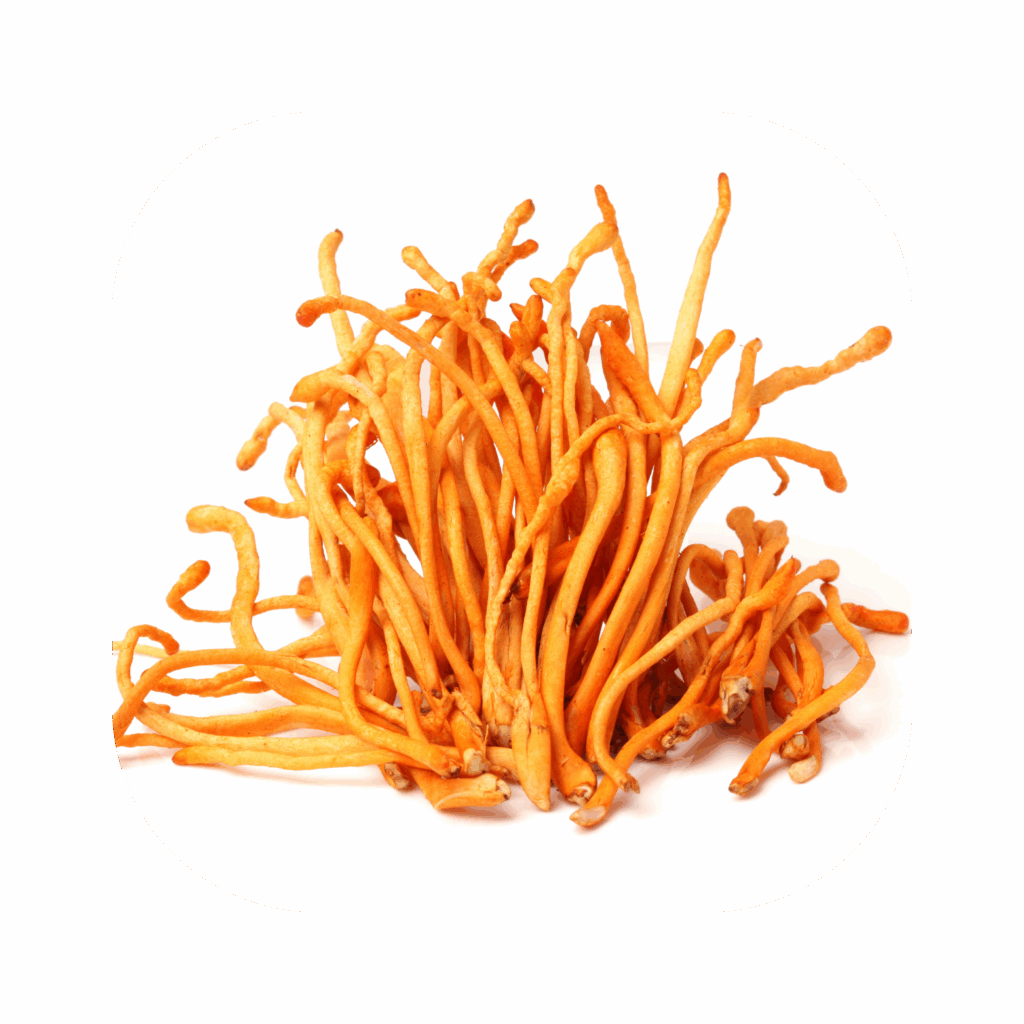
Cordyceps
In TCM and Tibetan medicine, Cordyceps supported the lungs, kidneys, and physical endurance. Herders noticed their animals became stronger after grazing on wild Cordyceps. That observation inspired its use as a natural support for performance and libido.
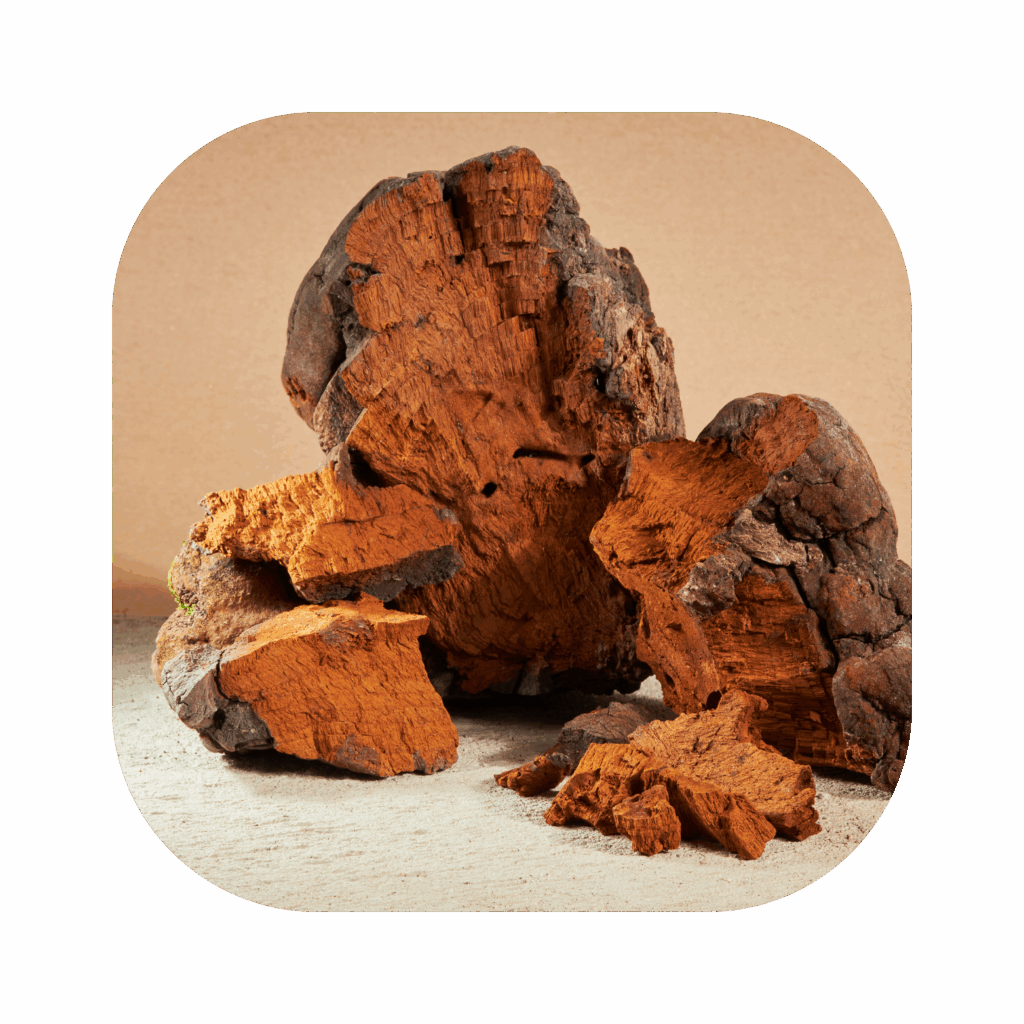
Chaga
Siberian and Northern European healers brewed Chaga as a tea to fight fatigue, digestive issues, and skin problems. They turned to it during long winters to help the body stay strong and resilient.
Lion’s Mane
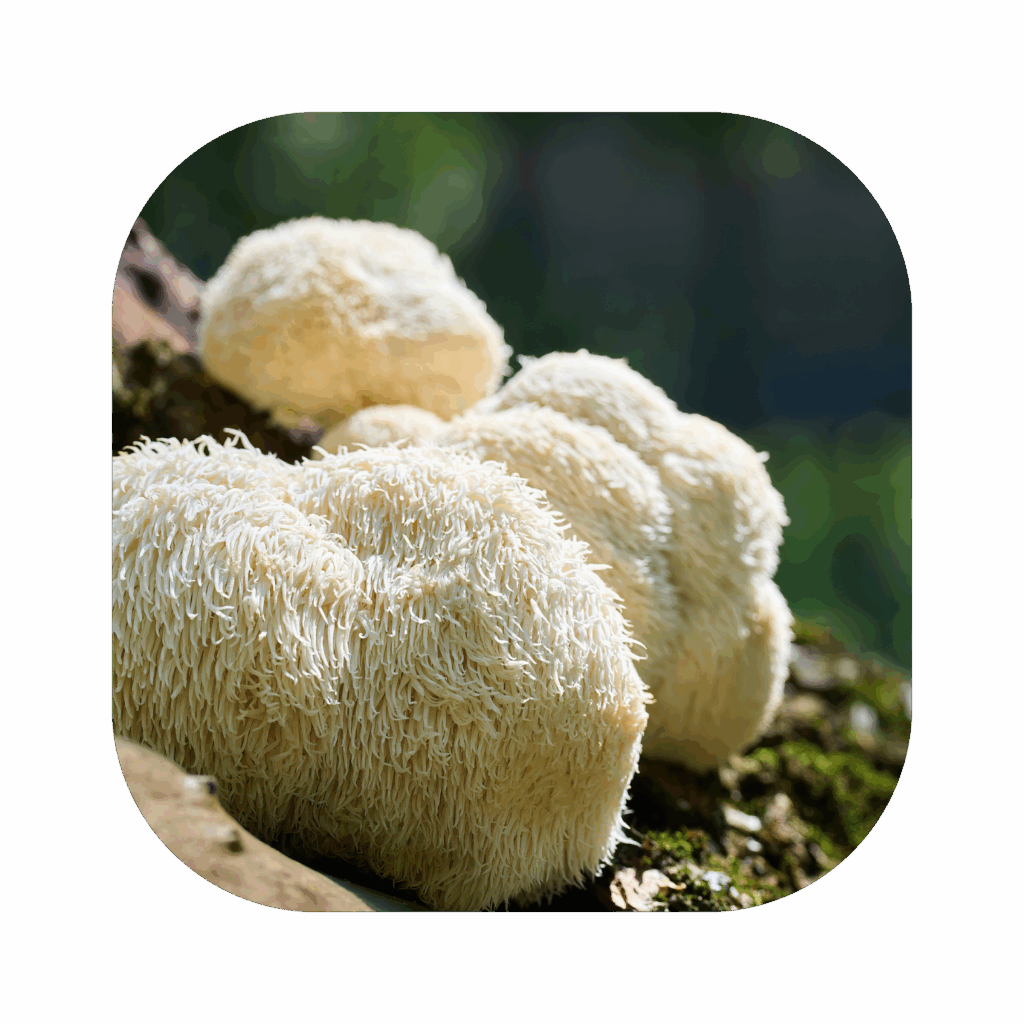
Though less well-known in ancient texts, Lion’s Mane still played a role in Chinese and Japanese herbal traditions. Healers used it to support digestion and believed it enhanced focus and memory—especially for elders.
Turkey Tail
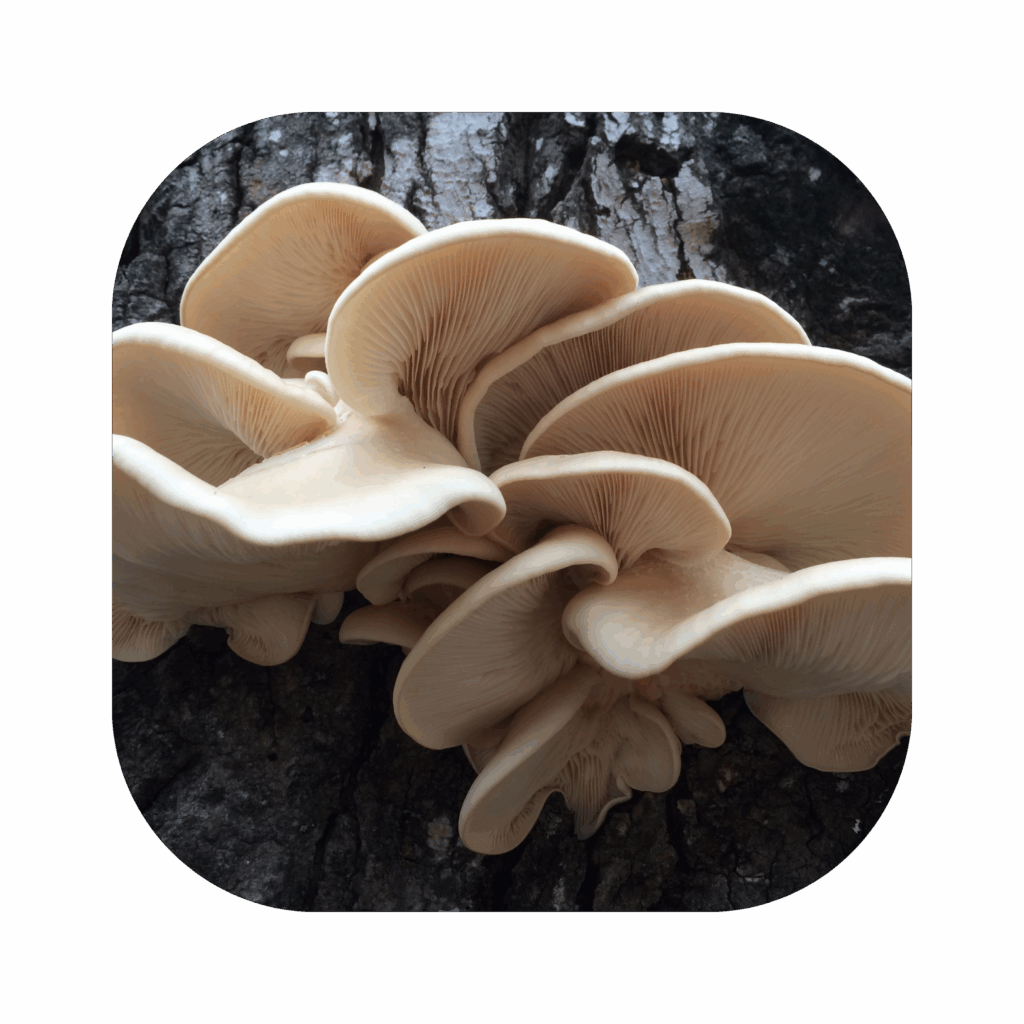
Healers in China and Japan relied on Turkey Tail to restore strength after illness. They used it to clear “dampness” in the body and boost immune defenses—especially in people recovering from colds or chronic conditions.
Why Traditional Uses Still Matter Today
Traditional uses show us more than ancient folklore—they reflect thousands of years of observation and practice. Cultures didn’t use mushrooms casually. They used them with purpose—after watching how they affected the body, season after season.
Today, modern science is confirming many of those effects. We now know Reishi helps regulate cortisol, Chaga fights inflammation, and Lion’s Mane supports brain health. These discoveries don’t replace traditional wisdom—they validate it.
When we understand how different cultures used mushrooms in healing, we see them not just as isolated remedies, but as full-spectrum wellness tools. That knowledge still holds value today—especially in a world where long-term health and balance matter more than ever.
Traditional vs. Modern Use: A Quick Comparison
| Mushroom | Traditional Use | Modern Scientific Focus |
|---|---|---|
| Reishi | Longevity, calming, immune support | Cortisol regulation, sleep, immunity |
| Cordyceps | Vitality, lung and kidney function | ATP production, stamina, libido |
| Chaga | Gut healing, strength, skin protection | Antioxidant support, inflammation |
| Lion’s Mane | Stomach and spleen health, mental clarity | Cognitive function, nerve regeneration |
| Turkey Tail | Recovery and immune strength | Prebiotics, gut-immune modulation |
Final Thoughts
Traditional medicine mushrooms have always had a place in healing—not just as supplements, but as lifelong allies in traditional medicine systems across the world. Today, modern wellness is finally catching up to what our ancestors already knew: mushrooms nourish the whole person—mind, body, and spirit.
At SafeShrooms.com, we’re proud to carry that tradition forward, blending ancient knowledge with modern research to help you build a more balanced, resilient life.