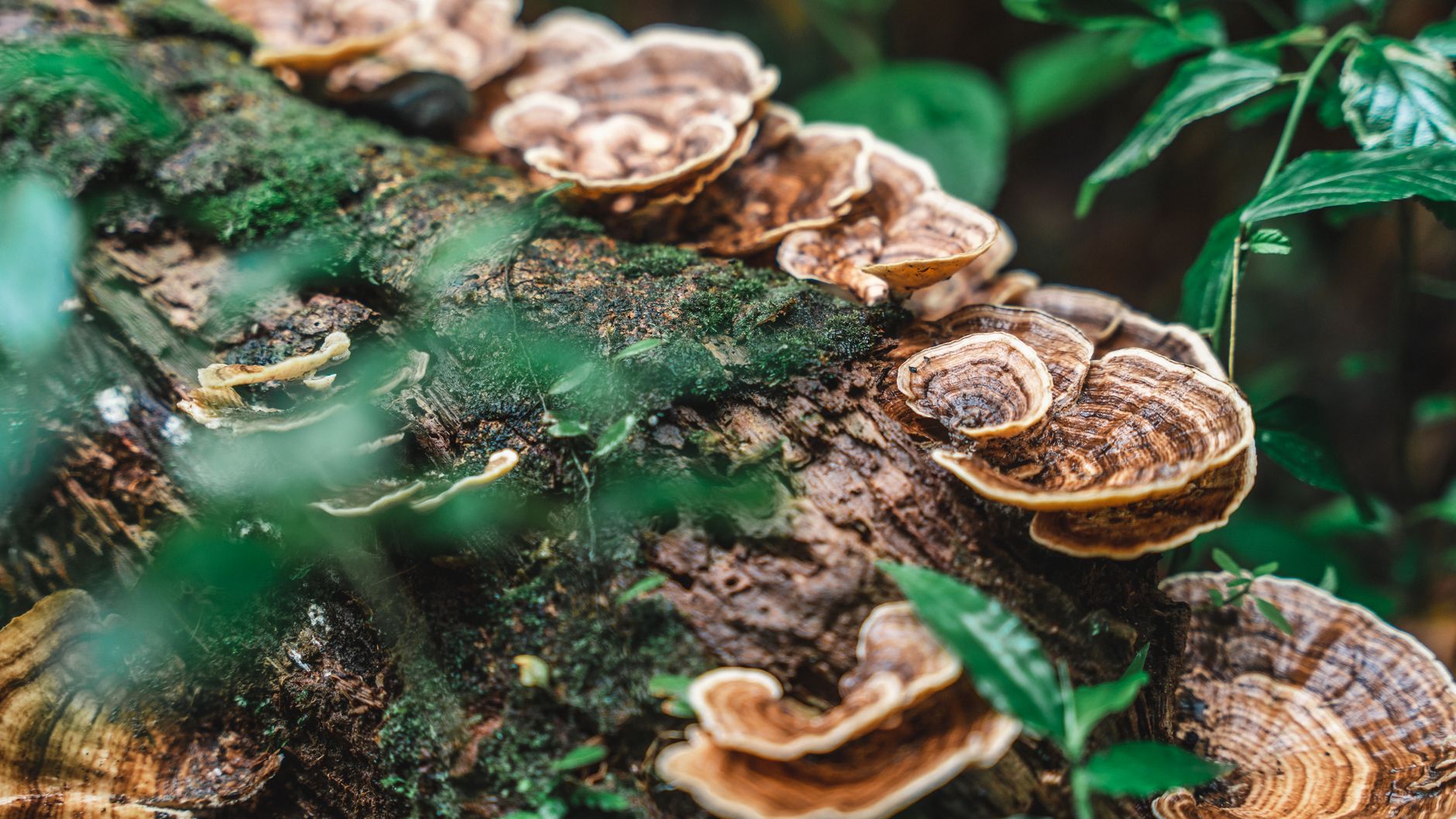

Chaga (Inonotus obliquus) has attracted substantial interest as a functional mushroom with antioxidant and anti-inflammatory properties. Research suggests that certain polyphenols found in chaga may support cellular defense against oxidative stress.[1] However, a growing body of clinical evidence points to a specific and serious safety concern: chaga’s exceptionally high oxalate content may pose a meaningful risk to kidney health, particularly with prolonged or high-dose use.
This article outlines what researchers currently know about chaga’s oxalate burden, the clinical cases that have drawn attention to this issue, and what these findings mean for anyone considering chaga supplementation.
What Is Oxalate and Why Does It Matter?
Oxalate is a naturally occurring compound found in varying concentrations across many plant foods and fungi. In most contexts, dietary oxalate is excreted safely by the kidneys. The concern arises when oxalate intake is consistently high: calcium oxalate crystals can form and deposit in kidney tubules, leading to a condition called oxalate nephropathy. This condition can progress from acute kidney injury to chronic tubulointerstitial nephritis and, in severe cases, end-stage renal disease.
Chaga’s oxalate content has been measured at levels considerably higher than most dietary sources. One case review documented chaga mushroom powder containing 14.2 g of oxalate per 100 g — a concentration that, when consumed regularly, would deliver substantially more oxalate than a typical diet.[2]
Clinical Cases of Chaga-Related Kidney Injury
End-Stage Renal Disease Following Long-Term Use
A case report published in the Journal of Korean Medical Science described a 49-year-old man who developed end-stage renal disease after years of consuming chaga powder for atopic dermatitis. Kidney biopsy findings were consistent with chronic tubulointerstitial nephritis, and calcium oxalate crystals were identified in the tubules. The authors estimated that the patient’s estimated daily oxalate intake from chaga was two to five times higher than a typical diet over a period of several years.[2] This case raised early concerns about the potential for chaga to contribute to irreversible kidney damage when used long-term.
Acute Kidney Injury With Nephrotic Syndrome
A separate case published in Medicine (Baltimore) reported a 69-year-old man who developed acute kidney injury alongside clinical features of nephrotic syndrome after ingesting chaga powder daily for three months. Biopsy confirmed focal acute tubular injury and calcium oxalate crystal deposition. The diagnosis was acute oxalate nephropathy with concurrent minimal change disease. The authors noted that in cases of acute kidney injury with unclear cause, medication and supplement history should be carefully reviewed, including use of herbal and functional mushroom products.[3]
Experimental Confirmation in Animal Models
To better understand the dose-response relationship, a 2026 study published in the Journal of Korean Medical Science used a rat model to examine the effects of chaga mushroom powder at doses extrapolated from reported human clinical cases. High-dose groups showed significantly elevated urinary protein excretion, histopathological evidence of oxalate crystal deposition, tubular injury, and markers of oxidative stress including 8-hydroxy-2′-deoxyguanosine. The researchers concluded that high-dose chaga consumption may cause kidney damage due to its high oxalate content.[4]
Who May Be at Greater Risk?
Certain individuals may face a higher likelihood of adverse effects from high-oxalate supplements. These include people with a personal or family history of kidney stones (particularly calcium oxalate stones), those with pre-existing chronic kidney disease, individuals taking high-dose vitamin C concurrently (vitamin C can be metabolized to oxalate), and anyone with conditions affecting intestinal oxalate absorption.
The 2022 case report specifically noted that the patient was consuming both chaga and vitamin C supplementation simultaneously, which the authors flagged as a combination that may compound oxalate burden.[3]
Balancing the Evidence: Chaga’s Bioactive Compounds
It is worth noting that chaga contains a range of polyphenolic compounds that, in laboratory and preclinical settings, have demonstrated antioxidant and anti-inflammatory activity. Research indicates that polyphenols including osmundacetone and protocatechuic acid derived from Inonotus obliquus may support antioxidant enzyme activity and modulate inflammatory signaling pathways.[1] These findings are scientifically interesting, but they do not offset the documented kidney risk in human cases and experimental models.
The broader point is that bioactive benefits and safety concerns can coexist in the same organism. Recognizing chaga’s oxalate burden does not negate its research interest — it simply informs how and whether supplementation is appropriate for a given individual.
Practical Considerations for Supplementation
For individuals considering chaga, several practical points emerge from the available evidence:
- Duration matters: The most severe outcomes in the clinical literature involved prolonged daily use over months or years, not occasional or short-term intake.
- Form may affect exposure: Powdered chaga consumed directly may deliver higher oxalate loads than hot water extracts, since oxalate is water-soluble and may partially transfer into tea preparations. However, this has not been systematically quantified.
- Kidney function screening: Individuals with any history of renal issues should consult a healthcare provider before starting chaga supplementation.
- Supplement stacking: High-dose vitamin C combined with chaga may increase oxalate burden, based on the case literature. For a broader discussion of how mushroom supplements can interact with other compounds, see our guide to mushroom supplements and potential interactions.
What This Means for the Broader Functional Mushroom Category
The chaga oxalate issue serves as a useful reminder that all functional mushrooms — regardless of their traditional use or preclinical research profile — warrant scrutiny for safety alongside efficacy. Most commonly studied functional mushrooms, including reishi, lion’s mane, turkey tail, and cordyceps, do not carry the same documented oxalate risk as chaga. But the broader principle holds: bioactive compounds can have effects that are both beneficial and adverse depending on dose, duration, and individual health status.
Continuing research will help clarify the specific dose thresholds at which chaga poses meaningful renal risk in humans, how extraction method affects oxalate delivery, and whether certain populations can use chaga safely at lower doses. Until more data are available, the existing case reports and experimental evidence are sufficient to recommend caution, particularly for individuals with kidney disease or high stone risk.
References
- [1] Shu Y, et al. Three Polyphenolic Compounds from Inonotus obliquus: Antioxidant Activity, Xanthine Oxidase Inhibition, and Regulatory Effects on MyD88/TLR4/NF-κB Pathway. Antioxidants (Basel). 2026. PMID: 41750647
- [2] Lee S, et al. Development of End Stage Renal Disease after Long-Term Ingestion of Chaga Mushroom. J Korean Med Sci. 2020. PMID: 32419395
- [3] Kwon O, et al. Chaga mushroom-induced oxalate nephropathy that clinically manifested as nephrotic syndrome. Medicine (Baltimore). 2022. PMID: 35451393
- [4] Lee S, et al. Kidney Injury Induced by High-Dose Chaga Mushroom Consumption: Experimental Evidence in a Rat Model. J Korean Med Sci. 2026. PMID: 41555803
Disclaimer: This article is for informational purposes only and does not constitute medical advice. The information presented is not intended to diagnose, treat, cure, or prevent any disease or health condition. Always consult a qualified healthcare provider before starting any new supplement, especially if you have a pre-existing medical condition or take prescription medications.