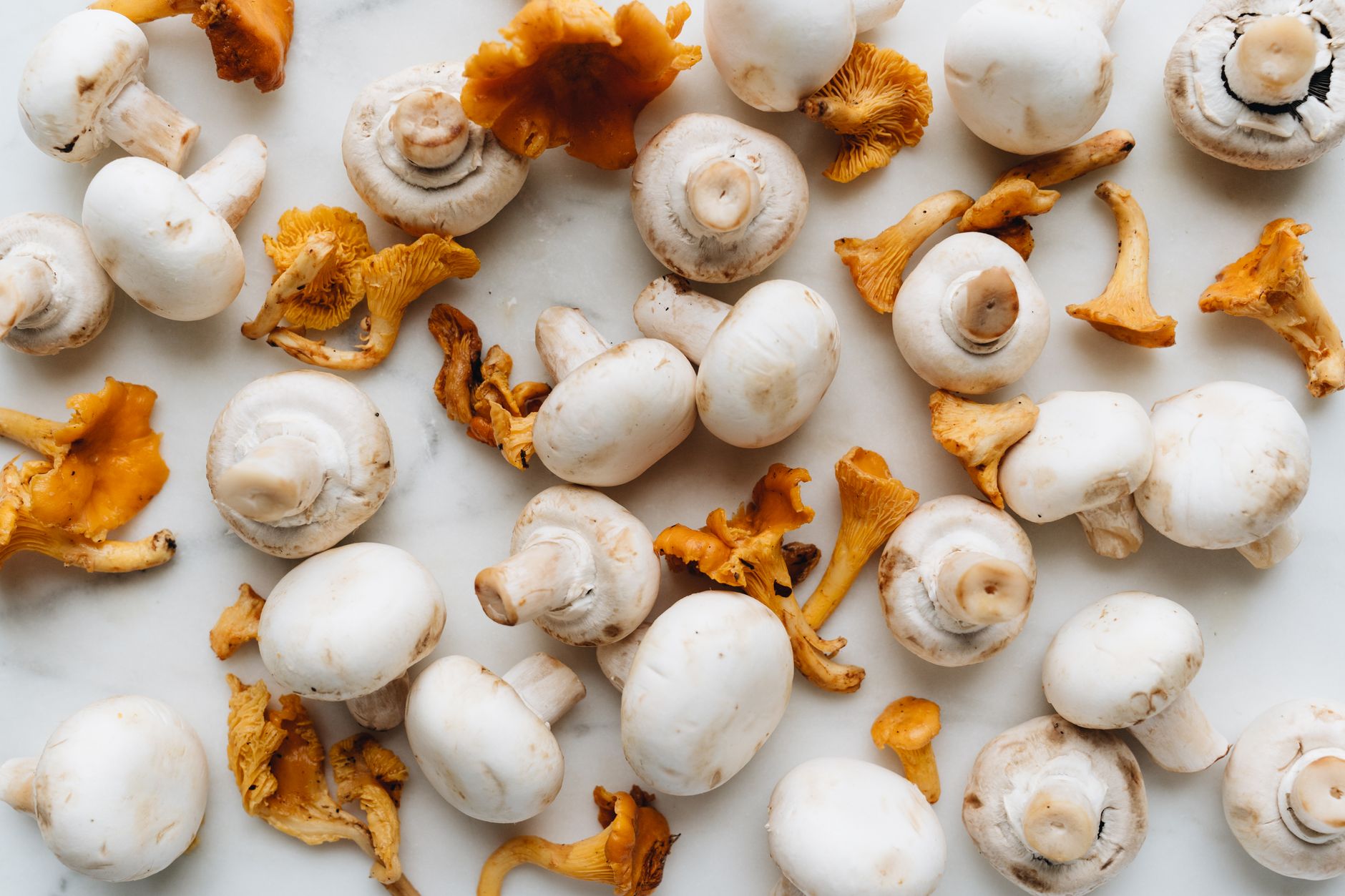
The gut microbiome plays a central role in digestion, immune regulation, and metabolic health. Growing interest in how dietary compounds influence microbial communities has drawn attention to functional mushrooms as a potential source of gut-supportive nutrients. A range of bioactive compounds in edible and medicinal mushrooms, particularly polysaccharides such as beta-glucans and chitin, resist digestion in the upper gastrointestinal tract and may reach the colon where they serve as substrates for microbial fermentation. This article reviews current research on the mushroom species and compounds most studied for their prebiotic and immune-related effects on the gut.
How Mushroom Polysaccharides Interact With the Gut
Unlike simple sugars, the structural polysaccharides in mushrooms are not broken down by human digestive enzymes. Upon reaching the large intestine, they are selectively fermented by resident bacteria, with research suggesting this process may promote short-chain fatty acid (SCFA) production, support barrier integrity, and modulate immune signaling.[1]
SCFAs, including butyrate, propionate, and acetate, are among the primary metabolic outputs of microbial fermentation. Butyrate in particular functions as the preferred energy source for colonocytes and has been associated in preclinical studies with reduced intestinal permeability. Research suggests that mushroom-derived polysaccharides may support SCFA production in ways that differ from other plant-based prebiotics, though well-designed human clinical trials remain limited.[1]
Turkey Tail and Gut Microbiome Research
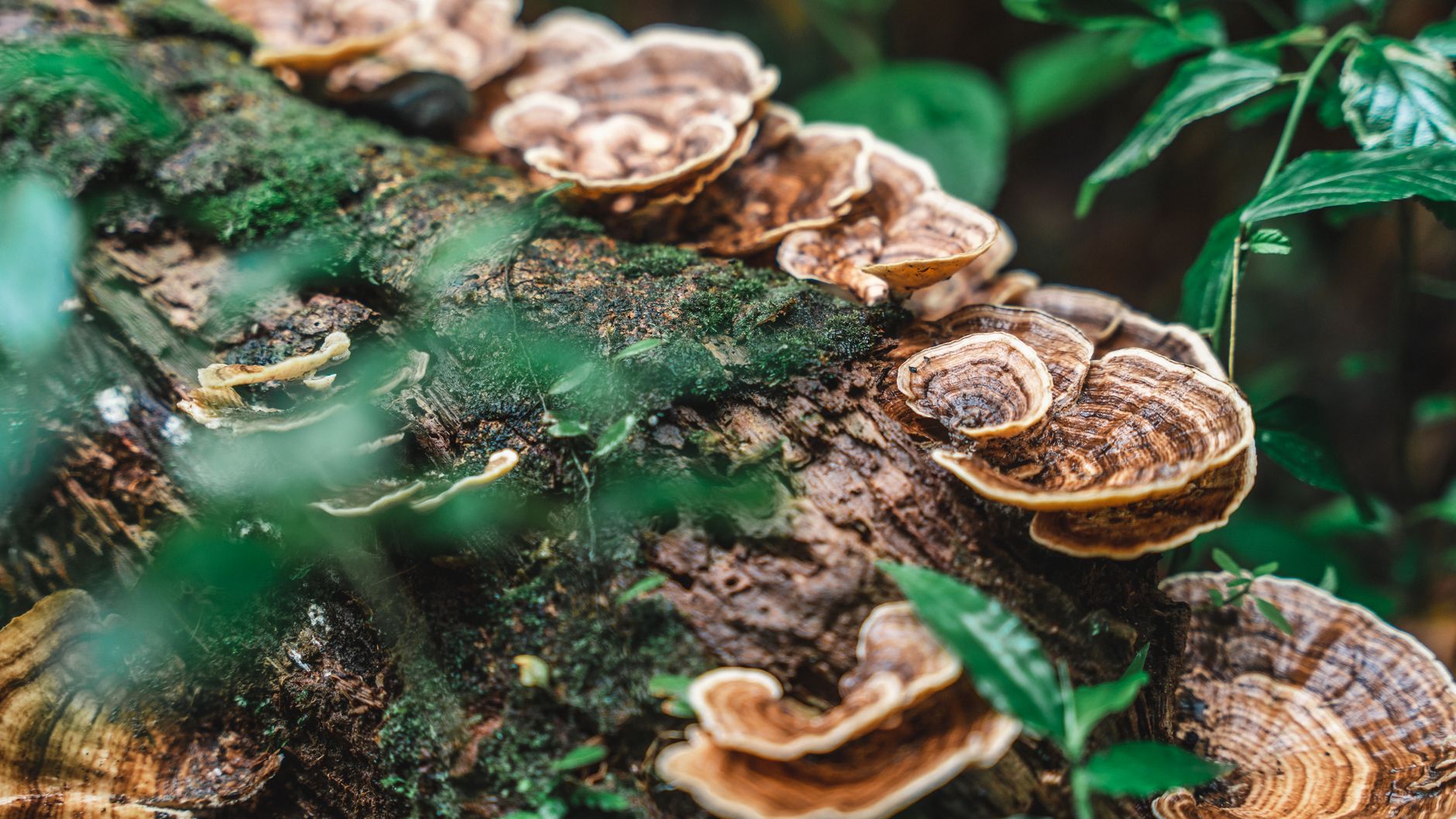
Turkey tail (Trametes versicolor) is one of the more studied medicinal mushrooms in relation to gut health. Its key bioactive fractions, polysaccharide-K (PSK) and polysaccharopeptide (PSP), have been examined for effects on microbial community composition. PSP has been described in the literature as functioning similarly to a prebiotic, with studies suggesting it may support the growth of beneficial bacterial taxa while modulating the intestinal environment.[2]
Turkey tail is also discussed in the context of immune modulation, and researchers have noted potential interactions between its polysaccharides and gut-associated lymphoid tissue, though the precise mechanisms in humans are still being investigated. For a broader comparison of turkey tail’s immune properties against another widely studied species, see the SafeShrooms overview of Chaga vs Turkey Tail.
Lion’s Mane and Intestinal Health
Lion’s mane (Hericium erinaceus) has primarily drawn research interest for its effects on the nervous system, but more recent studies have examined its polysaccharides in the context of gut microbiota modulation. Research using in vitro fermentation models indicates that H. erinaceus polysaccharides may promote shifts in microbial diversity and SCFA output, with formulation ratios influencing which bacterial taxa are most affected.[3]
Composite polysaccharide preparations combining lion’s mane with other fungal species have been studied for their ability to suppress potentially harmful bacterial genera, including Klebsiella and Escherichia-Shigella, while simultaneously increasing populations of genera associated with gut health such as Akkermansia and Parabacteroides. These findings are preliminary and come primarily from in vitro settings, and further human research is needed to understand clinical relevance.[3]
Shiitake: Lentinan as a Gut Microbiota Modulator
Lentinan, the beta-glucan derived from shiitake (Lentinula edodes), has been the subject of research examining its molecular weight fractions and their differential effects on gut microbial communities. Studies indicate that varying molecular weights of water-soluble lentinan may regulate microbial composition in distinct ways, with some fractions appearing to promote beneficial genera while reducing indicators of dysbiosis in obese microbiota models.[4]
Molecular weight appears to influence fermentation kinetics and butyric acid output, with lower molecular weight fractions associated with faster glycolysis equilibrium and higher butyrate production in some in vitro models. This work highlights the importance of extraction and processing methods when evaluating mushroom-derived supplements.
Reishi, Chaga, and Broader Polysaccharide Research
Beyond turkey tail, lion’s mane, and shiitake, several other species have been studied for their polysaccharide content and potential gut-relevant properties. Research reviews covering multiple edible and medicinal mushrooms suggest that beta-glucans, alpha-glucans, and chitin each appear to interact differently with gut microbial populations, with chitin receiving increasing attention for its antimicrobial properties in addition to its fermentability.[5]
Reishi (Ganoderma lucidum) polysaccharides and Chaga (Inonotus obliquus) extracts have both been examined in preclinical contexts for effects on intestinal microenvironments, though the research base for these species in gut-specific applications is less developed than for turkey tail or shiitake.
The Role of Immune Modulation at the Gut Level
The gut is the largest immune organ in the human body, and the connection between mucosal immunity and microbial communities is well established. Mushroom polysaccharides are thought to interact with pattern recognition receptors such as Dectin-1 and toll-like receptors expressed on gut epithelial and immune cells. Studies indicate this interaction may contribute to cytokine signaling and innate immune activation, though dose-dependent effects and individual variability make generalized claims difficult to substantiate without further clinical evidence.[1]
Practical Considerations
Most of the gut health research on functional mushrooms to date has been conducted in in vitro fermentation models or animal studies. While these findings inform mechanistic hypotheses, they do not confirm clinical efficacy in humans. When selecting mushroom-based products for gut support, the source of the extract (fruiting body versus mycelium), polysaccharide content, and extraction method may all influence how the compounds interact with the gut environment.
Individuals with immune-related conditions, intestinal permeability concerns, or those taking medications affecting gut motility or microbial balance should consult a healthcare provider before adding mushroom supplements to their routine.
References
- 1. Mattioli LB, et al. Edible Mushrooms as Emerging Prebiotic Sources: Gut Microbiota Modulation and SCFA-Mediated Health Effects. Foods. 2026. PMID: 42121482
- 2. Wu JM, et al. Recent Advances and Challenges in Studies of Control of Cancer Stem Cells and the Gut Microbiome by the Trametes-Derived Polysaccharopeptide PSP. Int J Med Mushrooms. 2016. PMID: 27910783
- 3. Yang X, et al. Exploring the Prebiotic Effects of Composite Fungal Polysaccharides From Hericium erinaceus and Lyophyllum decastes on Gut Microbiota and Metabolism. J Food Sci. 2026. PMID: 42050921
- 4. Yan X, et al. Molecular weight-engineered lentinan fractions as prebiotic modulators: Steering gut microbiota for precision obesity intervention. Food Res Int. 2026. PMID: 41539802
- 5. Guo D, et al. Advanced insights into mushroom polysaccharides: Extraction methods, structure-activity, prebiotic properties, and health-promoting effects. Int J Biol Macromol. 2025. PMID: 40132710
Disclaimer: This article is for informational purposes only and does not constitute medical advice. Functional mushroom supplements have not been evaluated by the FDA to diagnose, treat, cure, or prevent any disease. Consult a qualified healthcare provider before starting any new supplement regimen.