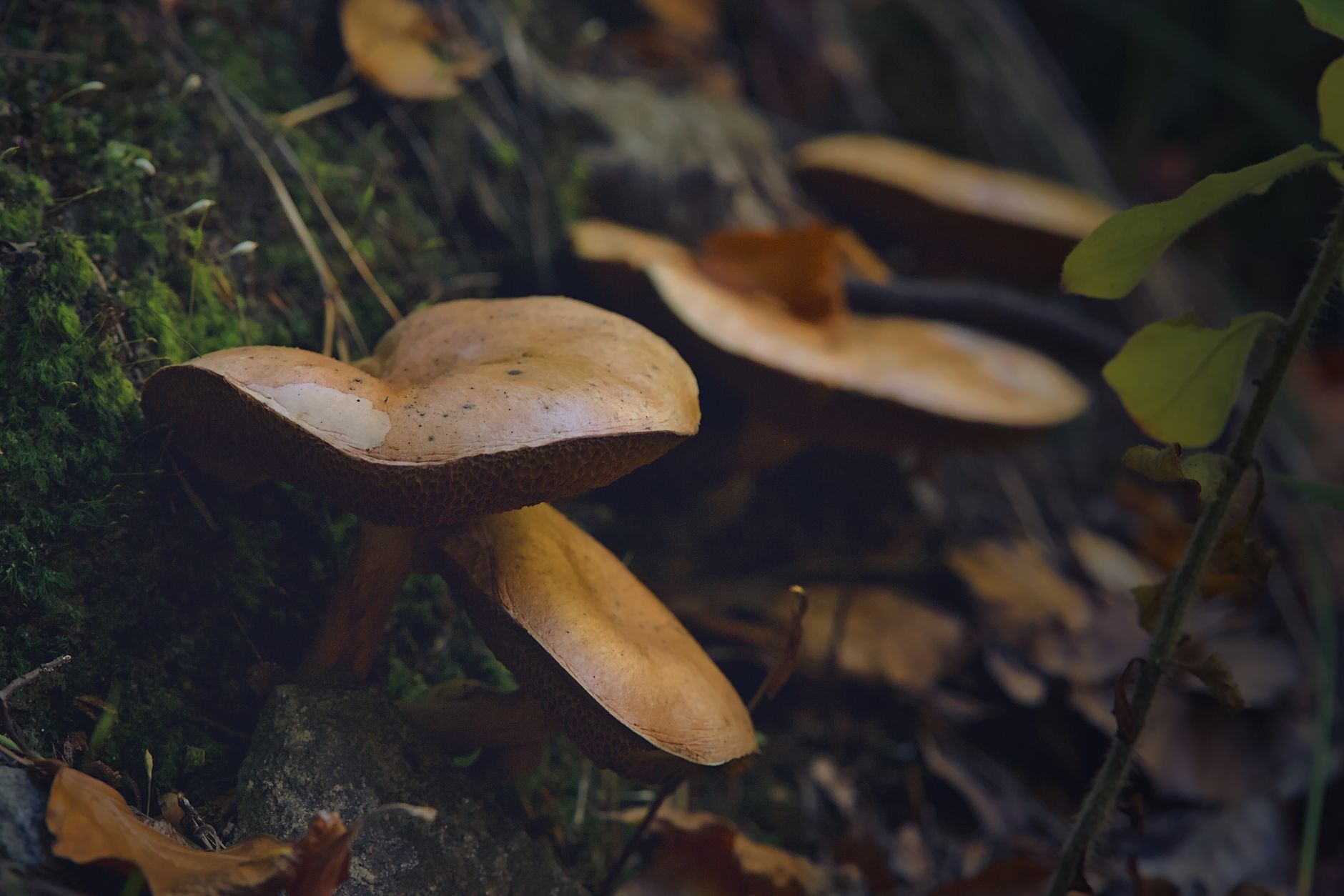
Chaga (Inonotus obliquus) and Turkey Tail (Trametes versicolor) are among the most studied functional mushrooms in the scientific literature. Both are associated with immune support, yet they differ substantially in their active compounds, proposed mechanisms of action, and the quality of clinical evidence behind them. This article compares the two fungi side by side across several evidence-based dimensions.
What Is Chaga?
Chaga is a parasitic fungus that grows predominantly on birch trees in cold climates across Siberia, Northern Europe, and North America. Unlike the cap-and-stem mushrooms most people recognize, it forms a dense, charcoal-black sclerotium on the bark of host trees. Chaga has been used in traditional Siberian and Russian folk medicine for centuries, primarily brewed as a tea.
The key bioactive constituents identified in Chaga research include:
- Beta-glucan polysaccharides — structurally heterogeneous polymers associated with immunomodulatory activity
- Melanin complexes — pigments with reported antioxidant properties
- Betulinic acid and betulin — derived from the birch bark the fungus metabolizes
- Triterpenoids and sterols — including inotodiol and ergosterol derivatives
A 2026 review in Nutrients summarized the structural diversity of Inonotus obliquus polysaccharides (IOPs), noting that molecular weight distribution, glycosidic linkage patterns, and branching topology collectively influence their immunomodulatory and antioxidant activities.[1]
What Is Turkey Tail?
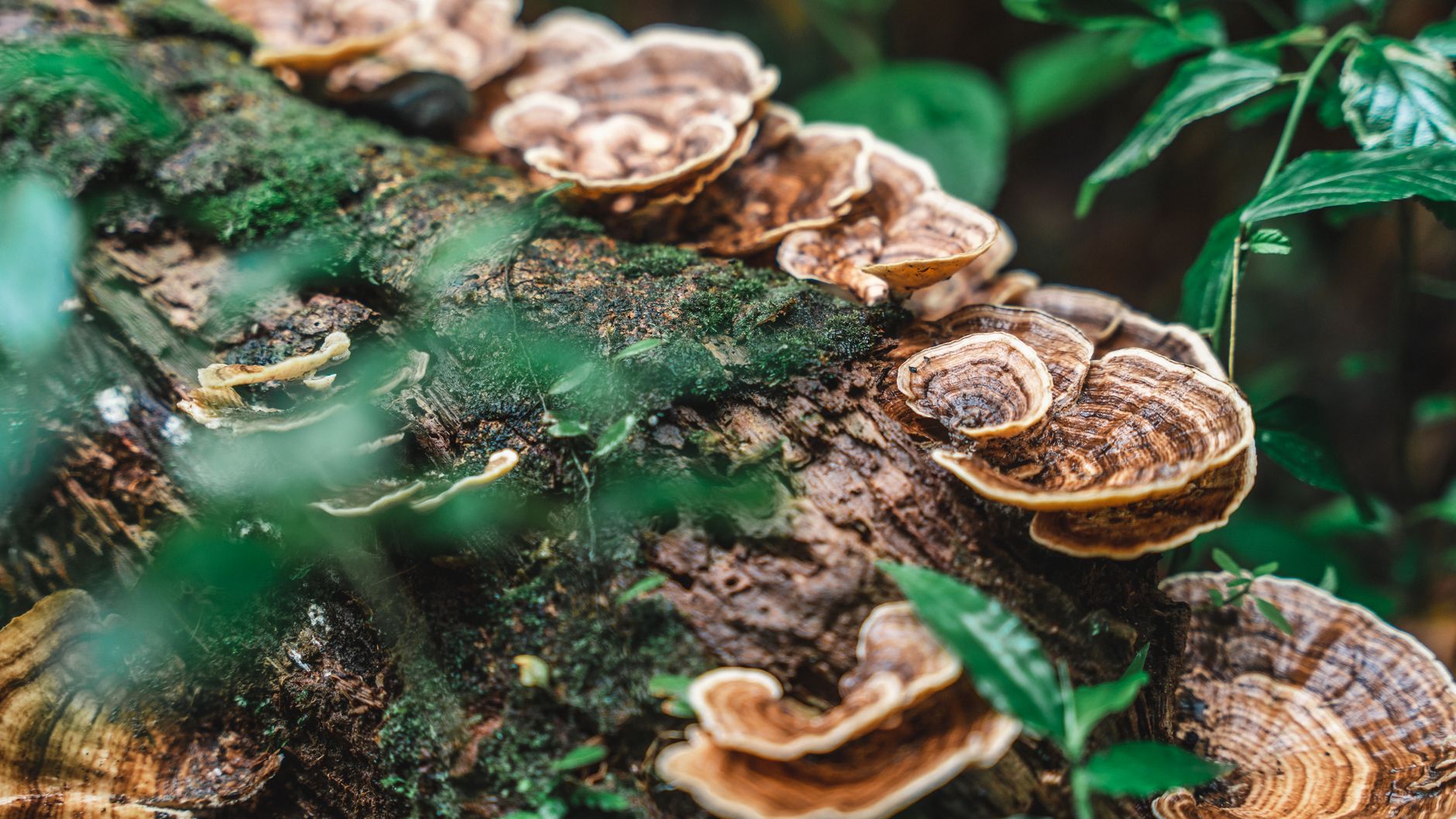
Turkey Tail is one of the most common bracket fungi found on dead and decaying wood across temperate forests worldwide. Its name comes from its concentric rings of brown, tan, and white coloring that resemble a turkey’s fanned tail feathers. Unlike Chaga, Turkey Tail produces a defined fruiting body and is comparatively easy to cultivate.
Turkey Tail’s most studied bioactive fractions are:
- Polysaccharide-K (PSK, also called Krestin) — a protein-bound polysaccharide approved as an adjuvant cancer therapy in Japan
- Polysaccharide-P (PSP) — a related compound studied primarily in China
- Beta-glucans and other polysaccharides — linked to prebiotic and immunostimulatory effects
A comprehensive review published in Biomedicines examined the in vitro, in vivo, and clinical evidence for PSK and PSP, concluding that these fractions demonstrate meaningful immunostimulatory effects and direct cytotoxicity in several cancer cell models.[2]
Comparing the Immune Mechanisms
Chaga and Immune Modulation
Preclinical studies suggest that IOPs may activate macrophages, promote cytokine expression (including TNF-alpha and interleukins), and modulate natural killer cell activity. The antioxidant properties of Chaga’s melanin fraction may indirectly support immune function by reducing oxidative stress in immune cells. Research also indicates potential modulation of the gut microbiota — particularly increasing populations of beneficial genera such as Lactobacillus — which may have downstream effects on systemic immune tone.[1]
It is worth noting that the majority of Chaga immune research remains preclinical. Large-scale randomized controlled trials in humans are limited, and direct extrapolation from animal or cell studies requires caution.
Turkey Tail and Immune Modulation
Turkey Tail has one of the more robust clinical evidence bases among functional mushrooms. PSK has been evaluated in multiple randomized trials as an adjunct to conventional cancer treatment, particularly for gastric and colorectal cancers in Japan, with studies indicating improvements in survival metrics in certain patient populations. Its proposed mechanisms include TLR2 and TLR4 receptor engagement, macrophage activation, and enhancement of dendritic cell function.
More recently, research has explored Turkey Tail’s polysaccharides as a potential prebiotic agent. A 2024 study in Microorganisms found that T. versicolor polysaccharides attenuated gut dysbiosis in high-fat diet mice and enhanced the growth of butyrate-producing bacteria — suggesting a mechanism by which gut-level changes may support broader immune function.[3]
A Novel Turkey Tail Polysaccharide and Macrophage Polarization
An intriguing line of research involves Turkey Tail’s potential to influence macrophage polarization. A 2024 study in International Journal of Biological Macromolecules identified a novel polysaccharide from Coriolus versicolor (a synonym for T. versicolor) that demonstrated the ability to polarize M2 macrophages into an M1 phenotype in vitro, potentially reversing the immunosuppressive tumor microenvironment by binding TLR4 and activating NF-kB signaling pathways.[4] This type of immunological reprogramming research, while still early, represents an interesting frontier for Turkey Tail’s clinical potential.
Key Differences at a Glance
| Feature | Chaga (I. obliquus) | Turkey Tail (T. versicolor) |
|---|---|---|
| Primary bioactives | Beta-glucans, melanin, betulinic acid | PSK, PSP, beta-glucans |
| Research stage | Mostly preclinical | Preclinical + clinical trials |
| Habitat | Birch trees, cold climates | Dead wood, temperate forests globally |
| Antioxidant focus | High (melanin, triterpenoids) | Moderate |
| Gut microbiome research | Emerging | Growing (prebiotic studies) |
Which Should You Consider?
The choice between Chaga and Turkey Tail is not necessarily an either/or decision — many supplement formulations combine both. However, for those who prioritize clinical evidence, Turkey Tail has the deeper body of human research, including data from oncological adjuvant therapy contexts. For those drawn to antioxidant properties and traditional use, Chaga’s profile may be of interest.
Neither mushroom should be treated as a substitute for conventional medical care. Both are generally regarded as safe in typical supplement amounts, though individuals on immunosuppressant medications or blood thinners should consult a healthcare provider before use. For more on how to evaluate mushroom supplement quality, see our guide on how to read a mushroom supplement label.
What to Look for in Supplements
When evaluating Chaga or Turkey Tail supplements, the following markers are worth examining:
- Beta-glucan content: Look for products that specify beta-glucan percentage, not just total polysaccharide content.
- Fruiting body vs mycelium: For Turkey Tail in particular, research has largely been conducted on fruiting body extracts. For Chaga, both sclerotium and mycelium are used, with differing compound profiles.
- Third-party testing: Certificates of analysis from independent laboratories help verify label accuracy and screen for contaminants.
- Extraction method: Hot water extraction is standard for beta-glucan-rich products; some triterpenoid fractions from Chaga may require alcohol extraction.
References
- [1] Zhang S, et al. Inonotus obliquus Polysaccharides: Preparation, Structural Characteristics, Structure-Activity Relationships, Biological Activities and Applications. Nutrients. 2026;18(7):1125. PMID: 41978174
- [2] Habtemariam S. Trametes versicolor (Synn. Coriolus versicolor) Polysaccharides in Cancer Therapy: Targets and Efficacy. Biomedicines. 2020;8(5):135. PMID: 32466253
- [3] Bai M, et al. Polysaccharides from Trametes versicolor as a Potential Prebiotic to Improve the Gut Microbiota in High-Fat Diet Mice. Microorganisms. 2024;12(8):1654. PMID: 39203496
- [4] Bi S, et al. A novel polysaccharide isolated from Coriolus versicolor polarizes M2 macrophages into an M1 phenotype. Int J Biol Macromol. 2024;259(Pt 2):129352. PMID: 38218293
Disclaimer: This article is for informational purposes only and does not constitute medical advice. Functional mushrooms are not intended to diagnose, treat, cure, or prevent any disease. Consult a qualified healthcare professional before adding any supplement to your routine, particularly if you have an existing medical condition or take prescription medications.